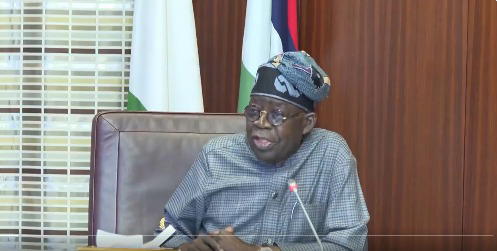
The Alliance of Sahel States (AES), which includes Burkina Faso, Mali, and Niger, has formally challenged President Bola Tinubu following his assertion that regional instability is a primary driver of Nigeria’s ongoing security challenges. This dispute has escalated into a diplomatic confrontation, resulting in the summoning of Nigeria’s chargé d’affaires in Ouagadougou on August 6.
The tension stems from comments Tinubu made on July 30 to traditional leaders, where he attributed Nigeria’s domestic struggle with bandits and jihadists to the volatility within his neighboring countries. The AES vehemently rejected this narrative, describing it as inaccurate and insensitive toward the efforts made by Sahelian nations to contain extremism.
Burkinabe Foreign Minister Karamoko Jean-Marie Traoré stated that the four nations are collectively battling a shared adversary. He emphasized that shifting blame onto neighbors risks inciting unnecessary friction between populations linked by geographic and historical ties. Traoré specifically noted that Niger dealt with Boko Haram long before the current security climate escalated.
Despite this public disagreement, the AES indicated a willingness to maintain cooperation with Nigeria against regional threats. This friction marks a continuation of strained relations that have persisted since Tinubu took the chairmanship of ECOWAS in 2023. While the AES has moved toward deeper ties with Russia, Nigeria continues to advocate for a unified regional approach to counter-terrorism. Previous incidents, such as the temporary detention of Nigerian Air Force personnel in Burkina Faso last year, further underscore the existing volatility in diplomatic channels.