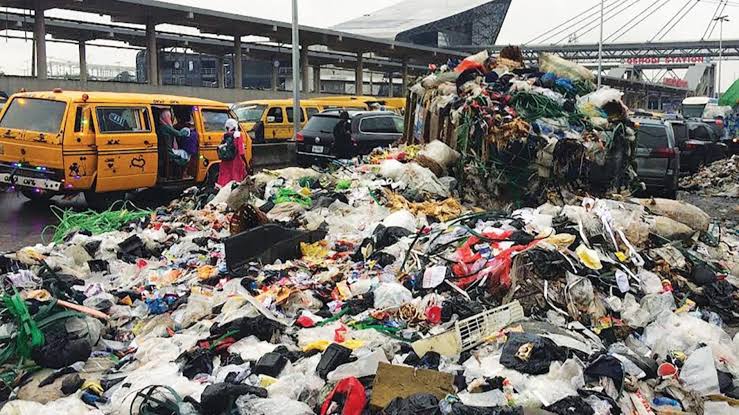
Residents across Lagos are questioning the effectiveness of the 57 Local Government Areas (LGAs) and Local Council Development Areas (LCDAs) in managing waste and drainage, especially as the state faces significant refuse accumulation and frequent flooding. While these councils receive monthly statutory allocations, many citizens feel that local authorities have failed to sufficiently complement state efforts in waste collection and flood prevention.
Under Nigerian law, local governments are tasked with maintaining public health and sanitation. Although state entities like the Lagos Waste Management Authority (LAWMA) coordinate broader environmental policies, experts argue that success relies on grassroots cooperation. Currently, many areas—such as Ajegunle, Mushin, and Lekki—struggle with clogged drains and uncollected trash, which exacerbate flooding during heavy rainfall. Officials have often blamed residents for dumping refuse in canals, while citizens point to a lack of infrastructure and visible council action.
In response to these criticisms, several council chairmen highlighted their ongoing efforts. For example, Apapa Iganmu LCDA invested in renting heavy equipment to dredge canals, while Badagry and Ajeromi Ifelodun have acquired waste compactors and established specialized sanitation units. Ikeja and Ibeju-Lekki also reported active campaigns involving street sweepers, drainage desilting, and public awareness programs. Despite these claims, many residents maintain that environmental management remains inconsistent across the city, urging for greater accountability and transparency regarding how local funds are applied to these pressing public challenges.