




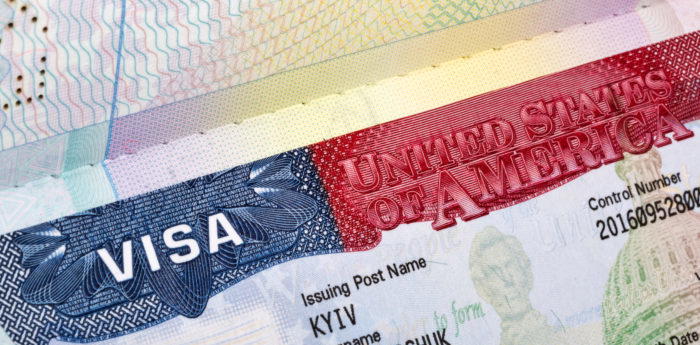
Beginning August 1, 2026, the United States will end routine visa processing at its embassy in Abuja and 24 other diplomatic locations across Africa. The State Department stated that this decision is intended to improve national security, optimize government spending, and standardize screening and adjudication procedures.
This initiative, driven by the Trump administration, seeks to align overseas resources with American national interests. Officials noted that the shift toward regional hubs has already proven successful in other parts of the world. While the change affects specific processing locations, it does not alter the diplomatic status of the affected embassies or impact existing valid visas.
Affected immigrant visa categories include family-based, employment-based, fiancée, adoption, diversity, and asylum-related cases. Diplomatic posts in Asmara, Bamako, Banjul, Brazzaville, Bujumbura, Conakry, Cotonou, Durban, Freetown, Gaborone, Harare, Juba, Libreville, Lilongwe, Lusaka, Maputo, Maseru, Mbabane, N’Djamena, Niamey, Nouakchott, Ouagadougou, and Windhoek will see these services suspended.
Routine visa services will continue uninterrupted in locations such as Lagos, Abidjan, Accra, Addis Ababa, Cape Town, Dakar, Dar-Es-Salaam, Djibouti, Johannesburg, Kampala, Kigali, Kinshasa, Lome, Luanda, Malabo, Monrovia, Nairobi, Port Louis, Praia, and Yaoundé. Applicants in the affected regions must plan to utilize these designated hubs for future visa needs. Existing travel restrictions and bond requirements imposed by Presidential Proclamation 10998 will remain in effect.