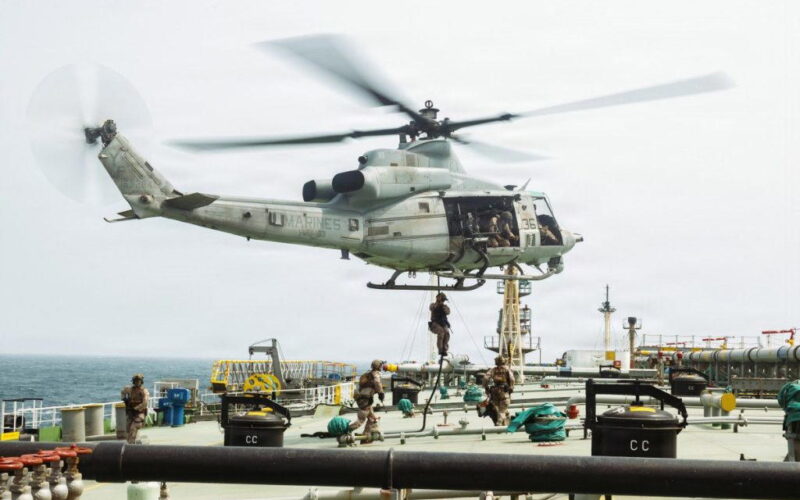
American military operations against Iran have entered a pause as the conflict nears its five-month mark. While Washington recently conducted nightly bombardments, the current cessation of hostilities has sparked speculation that the US is facing a depletion of critical munitions, including Patriot interceptors. On July 16, 2026, US Marines from the 11th Marine Expeditionary Unit boarded the M/T Wen Yao in the Gulf of Oman to enforce an ongoing naval blockade.
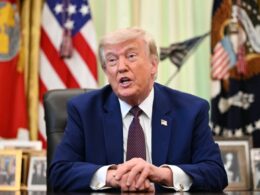
Reports from CNN and The New York Times suggest that the pause in strikes is influenced by both dwindling supply levels and the potential for a broader regional war that could destabilize Gulf allies and the global economy. Although President Donald Trump previously threatened to increase the intensity of attacks, he recently indicated a preference for renewed negotiations. Internal pressure from officials, including Vice President JD Vance and General Dan Caine, reportedly emphasizes the risks of further escalation.
Meanwhile, the conflict has expanded into new territories. Houthi rebels in Yemen claimed responsibility for strikes on Saudi Aramco facilities, while Greek forces in Saudi Arabia reported intercepting aerial threats. Simultaneously, Iran’s Revolutionary Guards have disrupted ship transit through the Strait of Hormuz. Iranian Foreign Minister Abbas Araghchi maintains that Tehran is not responsible for the current escalation and has proposed mediation between the Houthis and Riyadh, insisting that a military resolution is not possible.