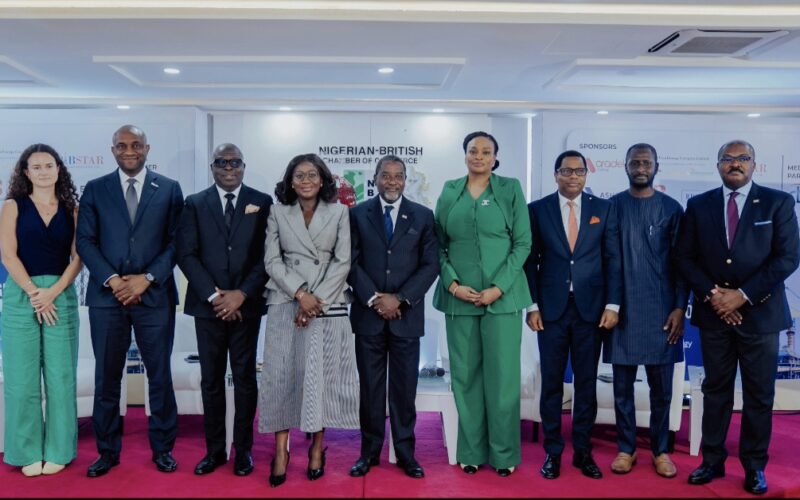
The Nigerian British Chamber of Commerce (NBCC) Energy Day 2026 highlighted a long-standing discussion regarding Nigeria’s energy sector. The core issue remains how to shift from mere potential to actual value creation for the nation. During the event, stakeholders including policymakers, investors, and industry leaders examined methods to build a functional energy system that produces measurable outcomes.
Adegbite Falade, Managing Director of Aradel Holdings Plc and Chairman of the Independent Petroleum Producers Group (IPPG), stressed that while Nigeria possesses significant resources and market potential, those factors alone cannot sustain an economy. He argued that potential does not inherently generate employment or attract capital; rather, transformation requires a disciplined approach where policy aligns with execution and investment is backed by confidence.
As global energy needs shift toward security, sustainability, and affordability, Nigeria must prioritize systems that support economic growth. Indigenous energy firms are playing an increasingly vital role in this transition by utilizing their local expertise to solve operational challenges and contribute to national development. Mr. Falade emphasized that the energy sector must prioritize domestic industrialization, job creation, and technology transfer over simple extraction and export models.
Natural gas was highlighted as a critical tool for development, capable of fueling manufacturing, agriculture, and power generation. Mr. Falade noted that Nigeria should embrace its identity as a gas-rich nation, as the economic benefits of gas usage far outweigh those of oil. Reliable electricity remains a cornerstone for this growth, directly influencing business scalability and community development.
Finally, the event addressed the energy transition, noting that while cleaner energy is essential, the strategy must account for Nigeria’s specific development needs. A practical approach includes increasing efficiency, adopting cleaner technologies, and ending routine flaring. Ultimately, the country’s success will be defined by its ability to execute projects and build resilient systems that turn long-held ambitions into reality.