



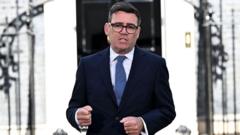
Prime Minister Andy Burnham has transitioned from broad policy promises to the rigid constraints of governing. While he insists his initiatives regarding the cost of living will be funded, the reality necessitates either tax increases or spending reductions, revealing his true priorities.
Market participants are already scrutinizing his intent to utilize borrowing flexibility. UK 10-year bond yields climbed above 5% recently, an anomaly compared to other European markets. This sensitivity emerges as Burnham restructures his cabinet, focusing on nuanced accounting changes for green energy infrastructure rather than a broad loosening of debt rules.
Significant fiscal policy discussions include potential unfreezing of income tax thresholds, a move supported by major labor unions. Depending on inflation, this could cost at least £4 billion. There is also discourse regarding whether to roll back these thresholds to pre-2022 levels, though this would be substantially more expensive than simply ending the current freeze imposed during the pandemic.
Burnham faces a challenging landscape, aiming to balance a ten-year economic vision, substantial defense investments, and a commitment to ending rough sleeping. His strategy relies on long-term initiatives such as council house construction and welfare reforms led by regional mayors, inspired by Alan Milburn’s review. Ultimately, Burnham must navigate the same restrictive fiscal environment as his predecessors while attempting to stimulate growth through a comprehensive economic overhaul.