



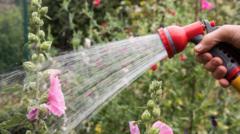
Hosepipe restrictions have been implemented across parts of south-east England due to intense heatwaves putting strain on regional water supplies. While recent months were characterized by high temperatures, the previous winter provided significant rainfall. Currently, more than eight million people are prohibited from using hosepipes for routine tasks like washing cars or maintaining gardens.
Drought conditions, defined by prolonged dry spells, are assessed by national environmental agencies. These bodies distinguish between drought, caused by lack of rain, and water scarcity, which arises from excessive demand. Most of England remains in a normal state, though five water companies have enacted bans. Meanwhile, specific areas in East Anglia and Hampshire are categorized under prolonged dry weather. In Scotland, the River Lossie is currently experiencing significant water scarcity.
Water authorities rely on rivers, reservoirs, and underground aquifers. While reservoir levels in Wales, Scotland, and Northern Ireland remain healthy, the reliance on groundwater in south-east England presents unique challenges. Groundwater responds slowly to environmental shifts, making droughts in that region potentially longer-lasting. Climate experts indicate that rising global temperatures exacerbate moisture evaporation from soil, accelerating the onset of water shortages.
To mitigate future risks, the government and water firms are drafting plans to construct new reservoirs by 2050. Discussions are also underway regarding the necessity of improved leak management and the broader adoption of smart meters to better control national water consumption.