



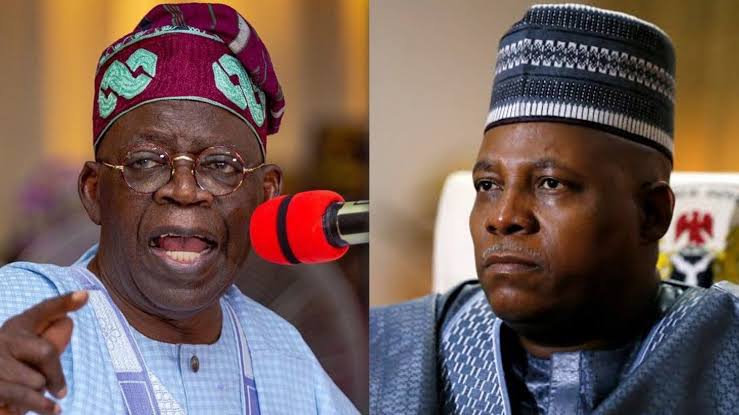
Stakeholders have presented conflicting viewpoints regarding the All Progressives Congress (APC) potential retention of a Muslim-Muslim presidential ticket for the 2027 elections. While some emphasize that governance expertise and character should outweigh religious identity, others call for greater inclusivity to address national stability.
Afenifere’s National Organising Secretary, Abagun Kole Omololu, asserted that the group is not a religious organization and prioritized welfare, democracy, and good governance over faith. He pointed to historical examples like the 1993 M.K.O. Abiola and Babagana Kingibe ticket as proof that voters prioritize competence. Similarly, Afenifere’s Chief Olusola Ebiseni argued that President Bola Ahmed Tinubu has not governed based on religious prejudice and warned that removing Vice-President Kashim Shettima could destabilize the administration.
Labor Party figure Abayomi Arabambi dismissed the controversy, framing the ticket as a reflection of political reality rather than a religious statement. He argued that northern demographics make the selection practical and suggested that voters should focus on economic improvements, such as the unified exchange rate, rather than religious sentiment.
Conversely, former Ondo State Assembly Speaker Bakita Bello expressed skepticism toward the APC, arguing that neither faith-based ticket nor political maneuvering has effectively tackled corruption, insecurity, or economic hardship. He stressed that leadership must be measured by compassion and the ability to improve the masses’ quality of life.
Prince Adewole Adebayo, the Social Democratic Party presidential candidate, noted that the focus on the Muslim-Muslim arrangement is often a distraction. He stated that citizens are primarily united by common challenges like poverty and insecurity, and he criticized proponents of the ticket for ignoring the necessity of justice in governance.
Other voices, such as Lanre Ogunsuyi, suggested that the renewed outcry is fueled more by internal APC power struggles for the vice-presidential seat than by genuine concern for religious balance. Meanwhile, Aare Oladotun Hassan of the Yoruba Council Worldwide urged political actors to prioritize inclusive, issue-based discourse to foster national cohesion.