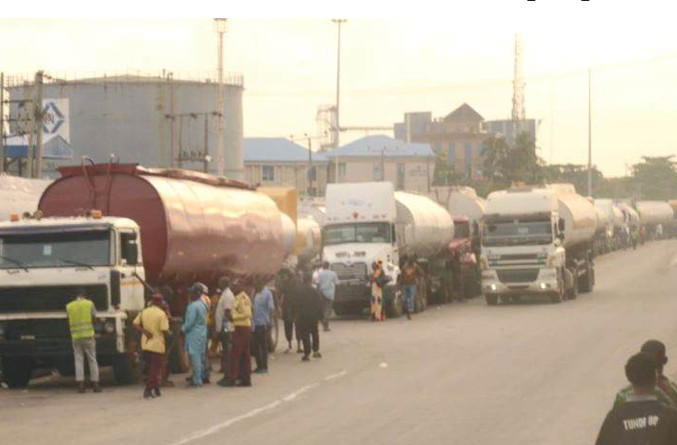
A severe gridlock paralyzed the Oshodi-Apapa Expressway yesterday, stemming from a lack of synergy between the Nigerian Ports Authority (NPA), police, Lagos State Traffic Management Authority (LASTMA), and local tank farm owners. Thousands of motorists and commuters remained trapped for hours as fuel tankers and container trucks blocked the primary route to Nigeria’s busiest seaports.
The bottleneck, particularly between Mile 2 and Berger Yard, was exacerbated by erratic parking and poor driving habits. Motorists reported hours of delays for what are normally short trips, while business owners faced significant financial losses. Stakeholders highlighted that the situation is a result of the newly opened Kirikiri terminal, inadequate road infrastructure, and a lack of rigorous traffic enforcement.
Investigations indicated that fuel-laden tankers were struggling to navigate past Shema, Integrated, and Sahara tank farms because empty tankers were clogging the access points. This surge of activity followed a decline in global oil prices, which prompted previously inactive depots to resume operations. While the Petroleum Tanker Drivers (PTD) blamed poor state management, truck owners argued that tanker operators were ignoring designated lanes.
Traffic Transit Point (TTP), which operates the electronic call-up system, clarified that their platform does not yet regulate petroleum tankers, thus absolving their system of responsibility for this specific event. Despite the presence of police and military personnel, the congestion persisted until late evening.
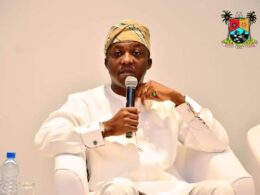
Lagos State officials acknowledged the need for better regulation, with the Special Assistant to the Governor on Transportation, Hassan Adekoya, noting that deeply entrenched corruption continues to hinder progress. LASTMA eventually cleared the obstruction late in the day, but stakeholders warn that without unified action from all agencies involved, the port corridor will continue to suffer from these paralyzing traffic disruptions.