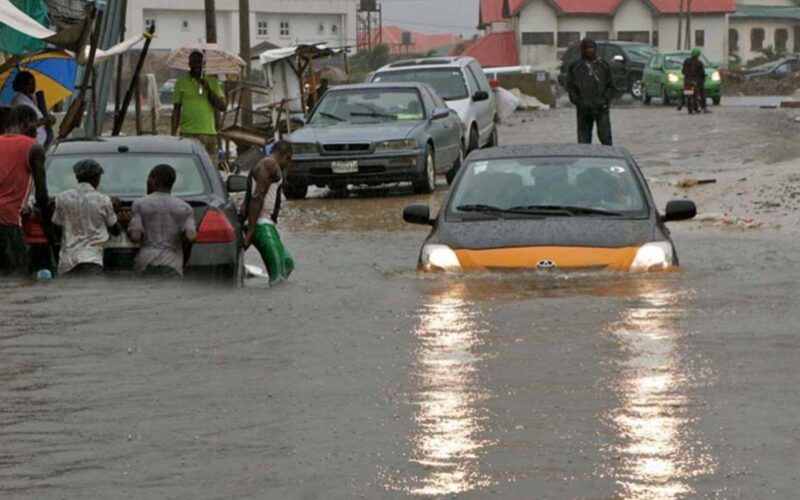
The Lagos State Government has issued a firm defense of its environmental management and flood mitigation strategies. Commissioner for the Environment and Water Resources, Tokunbo Wahab, stated that consistent work on drainage systems and wetlands has mitigated the impact of heavy rains despite global climate shifts. During an inspection of flood-prone areas like Oniru and Agungi-Ajiran on Saturday, Wahab dismissed criticism of recent flash floods as politically motivated and unfair to the state personnel working to address urban environmental issues.
Wahab explained that the state has spent three years executing a systematic plan to improve sustainability, which includes stricter waste management policies, the prohibition of specific plastics, and the removal of illegal structures on floodplains. He noted that Lagos is currently ahead of other African cities in its approach, pointing out that Accra recently announced plans to adopt strategies that Lagos has already been utilizing for years.
Addressing specific infrastructure challenges, the commissioner described efforts to clear drainage channels near Chevron Drive. He revealed that government workers faced significant resistance from land grabbers who utilized armed personnel to stop the restoration of waterways. Despite this, the clearing of obstructions led to an immediate improvement in water flow toward the lagoon, reducing flood levels in neighboring communities. Wahab emphasized that the state government continues to prioritize permanent engineering solutions and will aggressively halt illegal land reclamation projects that lack environmental impact assessments or proper authorization, as these activities block critical drainage routes.