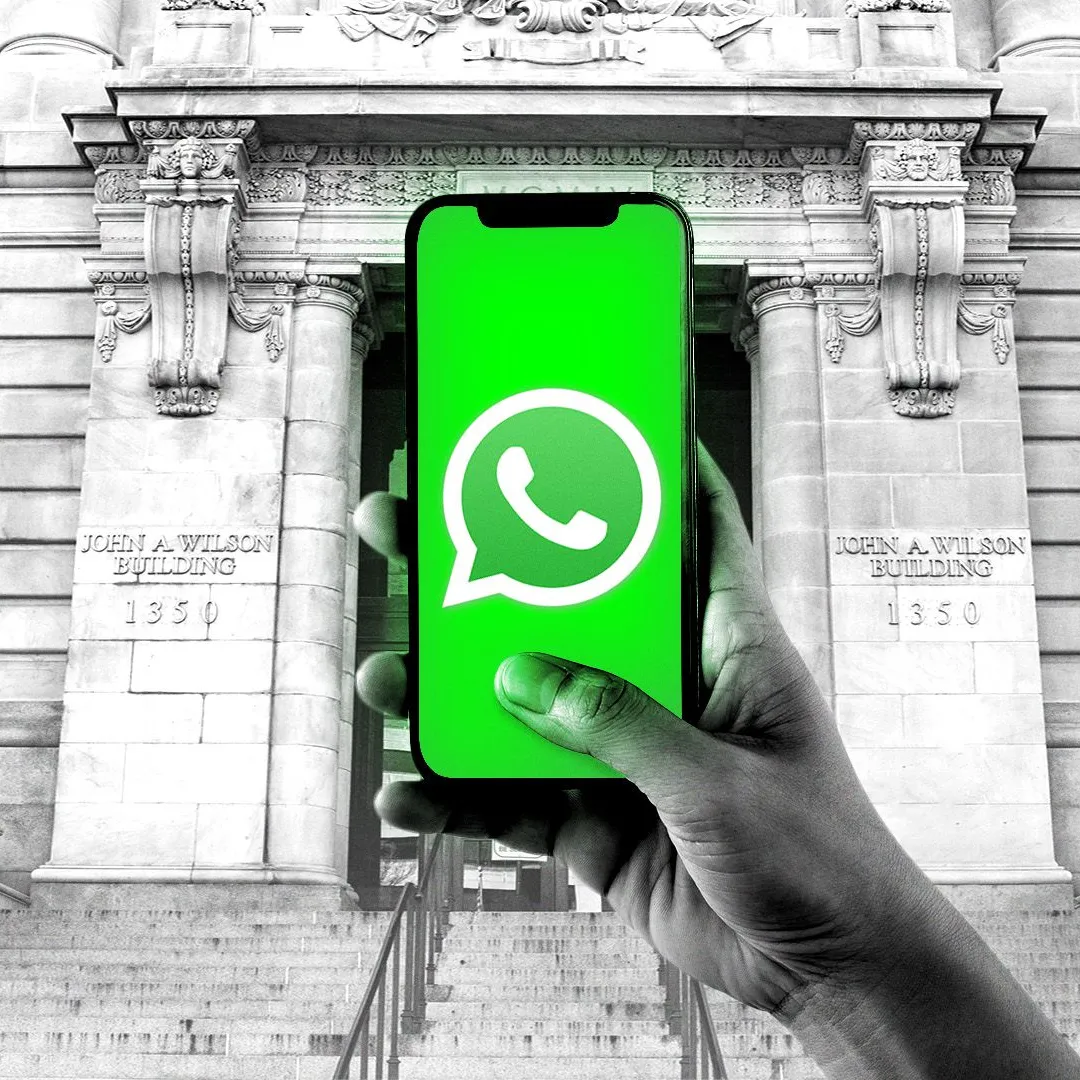
The U.S. House of Representatives has officially banned WhatsApp from all government-managed devices, citing major cybersecurity risks.
The directive, issued by the Office of the Chief Administrative Officer via its Office of Cybersecurity, labeled WhatsApp a “high risk” application due to concerns about data protection transparency, lack of encryption for stored data, and other security vulnerabilities.
According to Reuters, officials are particularly alarmed by WhatsApp’s data handling, warning that its continued use could expose sensitive government information to unauthorized access.
Lawmakers and staff have been ordered to uninstall the app immediately and switch to more secure alternatives, including Microsoft Teams, Amazon’s Wickr, Signal, and Apple’s iMessage and FaceTime.
In response to the ban, a WhatsApp spokesperson stated, “We disagree with this decision in the strongest possible terms,” asserting that the platform provides robust end-to-end encryption and industry-leading security features. The company defended its track record, claiming it surpasses many of the alternatives endorsed by the House.
This development follows a January revelation that WhatsApp users—including journalists and civil society members—had been targeted by spyware created by Israeli firm Paragon Solutions.
The move parallels a 2022 decision by the House to ban TikTok from government-issued devices due to national security and data privacy concerns. At the time, cybersecurity officials similarly labeled TikTok as “high risk.”
The latest ban highlights the U.S. government’s increasing scrutiny of digital communication platforms and reflects a broader effort to safeguard sensitive data and ensure secure communication within federal institutions.