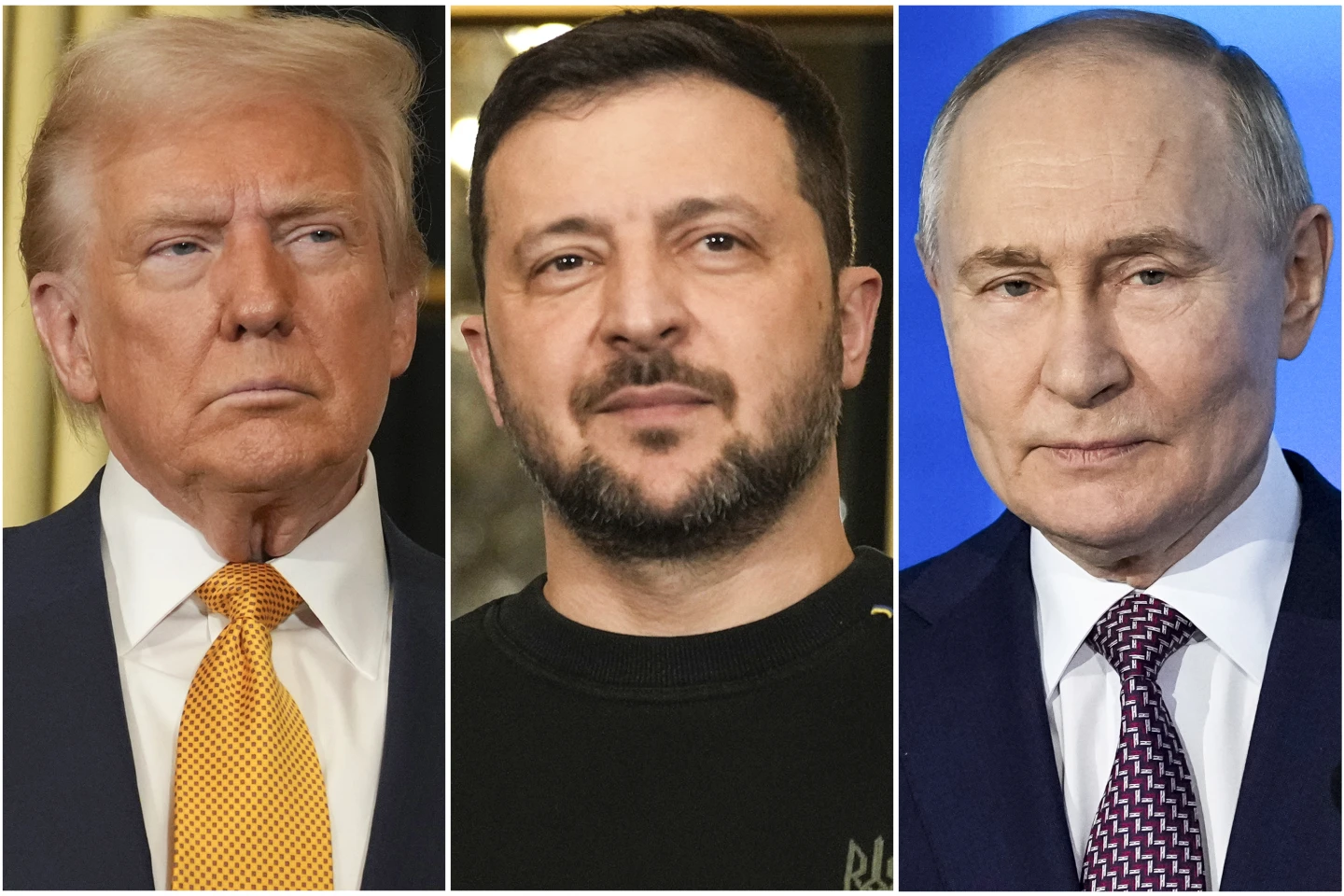
Trump’s remarks have drawn mixed reactions from political analysts, with some viewing his stance as an attempt to reassert his influence on the global stage ahead of the 2028 U.S. presidential election. Critics argue that his comments could complicate ongoing diplomatic efforts by the Biden administration, which has been working to build a broad international coalition to support Ukraine and pressure Russia into negotiating a ceasefire.
Meanwhile, Ukrainian President Volodymyr Zelensky has remained firm in his demands that any peace talks must involve the complete withdrawal of Russian troops and the restoration of Ukraine’s territorial integrity, including Crimea and the Donbas region, which have been occupied by Russia since 2014 and 2022, respectively.
Additionally, NATO allies have expressed concerns about the potential for Trump’s involvement to shift the tone of negotiations, given his historically conciliatory approach toward Putin. European leaders, including French President Emmanuel Macron and German Chancellor Olaf Scholz, have pushed for a more unified Western response, emphasizing that any settlement must not reward Russia’s aggression or set a dangerous precedent for other potential conflicts.
As the situation develops, the Biden administration has reiterated its commitment to supporting Ukraine’s defense and sovereignty, with U.S. Secretary of State Antony Blinken recently visiting Kyiv to reaffirm Washington’s backing.
For now, the prospect of a Trump-Putin-mediated peace summit remains uncertain, as both sides continue to signal vastly different expectations for the terms of any potential agreement.