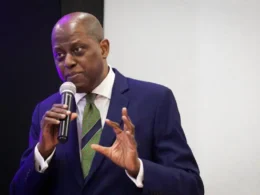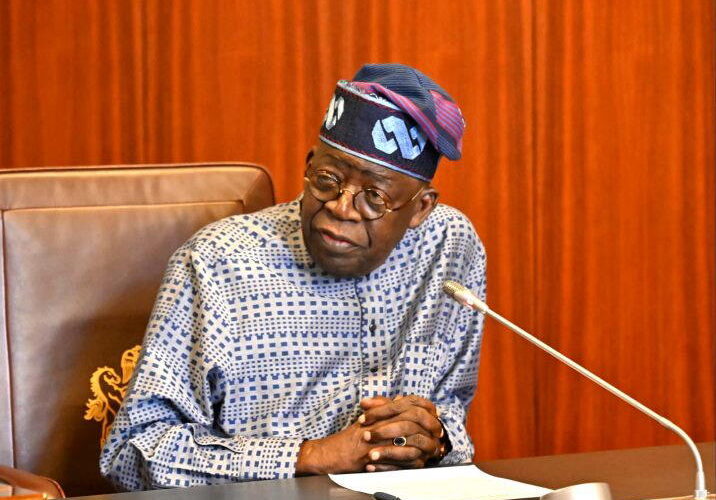
President Bola Tinubu has introduced five significant social protection and human capital development initiatives totaling approximately $3 billion. This effort is designed to eradicate poverty and ensure the benefits of national economic reforms reach all citizens. Represented by Finance Minister Taiwo Oyedele at the Presidential Villa in Abuja, the President emphasized that the true measure of his administration’s success is the tangible improvement in the lives of ordinary Nigerians rather than macroeconomic data alone.
These initiatives, supported by the World Bank, include the $1.25 billion NG-CARES financing to aid smallholder farmers and businesses, the $300 million SOLID project for displaced persons and host communities, and the $1.5 billion HOPE program. The latter encompasses three pillars focused on governance, primary healthcare, and basic education. These projects aim to foster a future where extreme poverty is eliminated and every community is better equipped to handle adversity.
Budget and Economic Planning Minister Abubakar Atiku Bagudu noted that the programs function as an integrated framework. Health Minister Prof. Muhammad Ali Pate highlighted that the government has already revitalized thousands of primary healthcare centers and retrained significant numbers of health workers. Furthermore, Education Minister Dr. Tunji Alausa stated that the $552 million education component is expected to assist 30 million pupils and half a million teachers across the country.
State governors, represented by Ondo State Governor Lucky Aiyedatiwa, pledged their full cooperation for the nationwide implementation of these programs. The National Assembly also offered its support to provide the necessary legislative framework. The government remains committed to its goal of transforming Nigeria into a $1 trillion economy by 2030, ensuring that national prosperity is felt by every household.