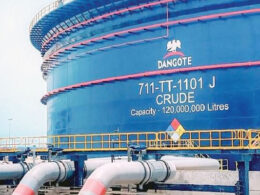





Global oil prices have retreated to figures last observed before the conflict in Iran began, following the gradual restoration of transit through the Strait of Hormuz. Benchmark Brent crude briefly dipped under $72.48 a barrel—the valuation recorded just before US and Israeli strikes on February 28—before stabilizing near $72.63.
Energy markets experienced significant volatility when Iran effectively blocked this vital maritime corridor in response to military actions. However, crude prices have trended downward since the United States and Iran formalized a Memorandum of Understanding on June 17, initiating a two-month negotiation window regarding Tehran’s nuclear ambitions.
Following initial peace talks in Switzerland, the US eased certain sanctions on Iranian oil exports. Maritime intelligence firm Kpler reports a notable increase in vessel traffic through the strait, with ships transporting crude, LNG, and fertilizers. Mediators from Qatar and Pakistan confirmed that Washington and Tehran established a communication channel to ensure the safety of commercial transit. Marisks executive Dimitris Maniatis observed that approximately 80 vessels have navigated the passage since the weekend, utilizing both a northern route sanctioned by Iran and a southern path cleared of mines by the US Navy. Despite this progress, traffic remains below the pre-war average of 100 daily crossings, with many vessels still anchored in the Gulf.