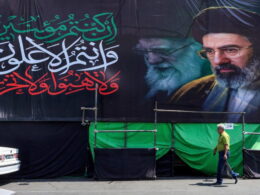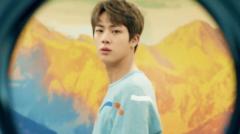
For many North Korean defectors, K-pop has evolved from a dangerous, forbidden pleasure into a vital bridge to their new lives. While the regime in Pyongyang strictly prohibits South Korean cultural imports to maintain its monopoly on public adoration, music has continued to penetrate the country’s borders.
Defectors describe listening to secret broadcasts or hiding SD cards containing South Korean tracks, often unaware of the artists’ names or titles. These songs provided a rare window into the outside world, offering hope and a different perspective on life. For many, the music was a stark contrast to the state-mandated propaganda they were raised on, which focused almost exclusively on revolutionary themes and loyalty to Kim Jong Un.
The impact of this cultural exposure is profound. Engaging with South Korean media often triggers a desire for personal expression and curiosity about the South, leading many to challenge the restrictive social norms they were forced to follow. For individuals like Lee Yeon-su, who now lives in the South, supporting groups like BTS has become a way to celebrate individual autonomy and heal from past traumas. She notes that the band’s message of self-acceptance helped her face her own identity, moving away from the secrecy and fear that defined her childhood.
Despite the regime’s harsh crackdowns—which have reportedly included public executions for the distribution of foreign media—the consumption of K-pop persists as a form of quiet resistance. For these individuals, music is more than just entertainment; it serves as a lifeline, helping them endure difficult circumstances and eventually finding their own voices in a free society.