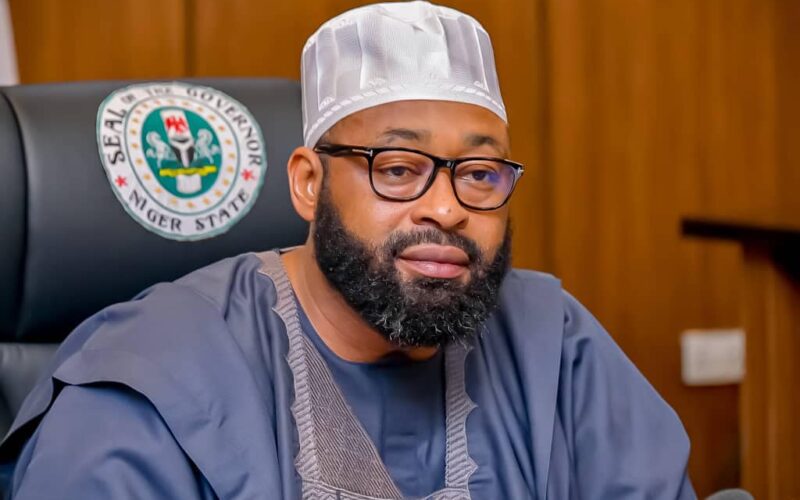
Religious tension is rising in Niger State as the 2027 general elections approach. Christian leaders are challenging the All Progressives Congress (APC) over perceived long-term political exclusion. The Coalition of Concerned Christian Stakeholders (CCCS) has formally requested that Governor Mohammed Umaru Bago select a Christian running mate if he pursues a second term. This call has sparked widespread debate regarding zoning, internal party democracy, and equitable representation.
Data shows that significant political positions in the state, including the Governor, Deputy Governor, Speaker, and Secretary to the State Government, are currently held by Muslims. Of the 27 members in the House of Assembly, only three are Christian, and the sole Christian member in a leadership role, Deputy Speaker Afiniki Dauda, is not expected to return. With Christians representing roughly 45 percent of the state population, the coalition argues that their current absence from key elective and appointive offices is unsustainable.
Former Commissioner for Information and APC chieftain, Jonathan Vatsa, stated that the group is not seeking religious division but rather fairness. During a press briefing in Minna on July 8, 2026, coalition members highlighted that their previous support for Governor Bago in 2023 was contingent on inclusive governance, which they claim has not materialized. They have specifically suggested that a candidate from Niger East (Zone B) would be appropriate.
Critics of the movement have pointed to the past, noting that Christian representation was notably higher during the tenure of former Governor Mu’azu Babangida Aliyu. While some point out that Christian advocacy was less visible during the administration of Abubakar Sani Bello, Vatsa admitted that the community had been politically passive but is now firmly engaged. The group warns that if the APC persists with a Muslim-Muslim ticket, Christian voters may shift their allegiances to other political parties.
Government officials have largely avoided addressing these demands directly. The Chief Press Secretary to the Governor noted a lack of awareness regarding the specific coalition, and the Commissioner for Information, Obed Nuhu Nana, declined to provide an official stance, noting that Vatsa’s comments were personal opinions. As parties prepare for 2027, the demand for a more balanced political landscape remains a central issue in the state’s discourse.