

New UEFA Champions League Format Explained

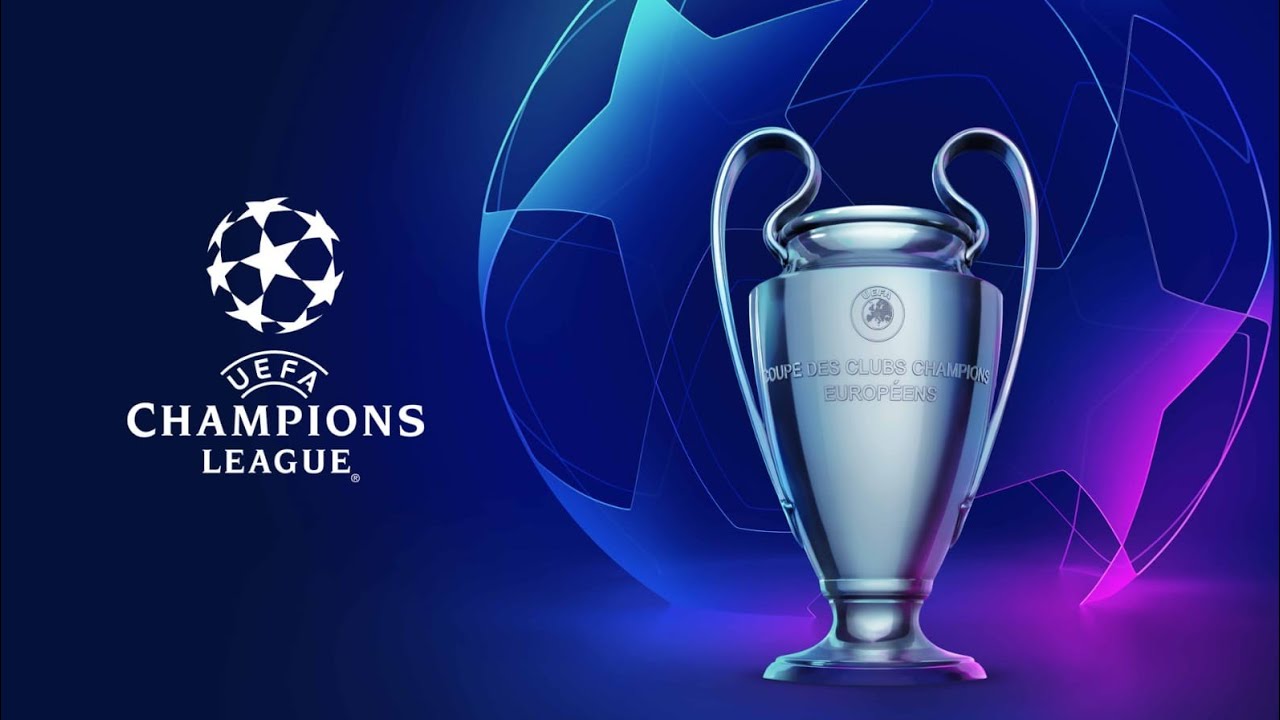
The 2024/25 UEFA Champions League is set to kick off with a significant overhaul in its format, following the draw that took place on Thursday in Monaco.
The revamped structure introduces an expanded competition featuring more teams, a new league format, and additional knockout rounds.
More Teams, No More Groups: The updated Champions League format will see 36 clubs compete in the tournament, an increase from the previous 32. This expansion allows for additional representation from Europe’s top leagues. France’s Ligue 1 now secures three automatic qualification spots, while Germany and Italy, as the leagues with the highest UEFA coefficients from the previous season, also gain extra berths. Another slot is allocated to a national champion emerging from the qualifying rounds.
The most radical change comes with the dissolution of the traditional group stage. Instead, the 36 teams will be placed into one large league, adopting the ‘Swiss system’ commonly used in chess. This format allows each team to play eight matches against different opponents, replacing the old group stage’s six matches.
A Lot More Games: Under the new format, each team will play eight games in the league phase—two more than in the previous group stage format. The 36 teams will be divided into four seeded pots, and each team will face two opponents from each pot, with one match at home and one away. Notably, no club will face another team from its own domestic league, and a club can face a maximum of two teams from any single country. This expansion means that the league phase will now extend into January, with the total number of matches increasing from 96 to 144.
Extra Knockout Round: The new format also introduces a play-off round. After the league phase, the top eight teams will automatically progress to the last 16. The teams finishing 9th to 24th will enter a two-legged knockout tie to compete for the remaining spots in the last 16. These ties will be seeded, based on the teams’ positions in the league phase.
The bottom 12 teams in the league phase will be eliminated, with no access to the UEFA Europa League, marking a departure from past editions where teams could drop down to the second-tier competition.
The changes have been introduced as part of UEFA’s efforts to increase competitiveness and deliver more high-stakes matches early in the tournament.

You may be interested

Violent Clashes Erupt During Lahore High Court Bar Elections
gisthub - Mar 03, 2026A physical confrontation between legal professionals broke out within the Lahore High Court premises in Pakistan during the Bar Association’s electoral proceedings. The…

IAEA Confirms Strike Impact at Natanz Nuclear Complex
gisthub - Mar 03, 2026The International Atomic Energy Agency (IAEA) has verified that recent military strikes by American and Israeli forces caused structural damage to Iran's Natanz…

Flamengo Parts Ways with Filipe Luis Despite Dominant Semi-Final Victory
gisthub - Mar 03, 2026In a surprising move, Brazilian powerhouse Flamengo has dismissed head coach Filipe Luis shortly after a commanding 8-0 win over Madureira in the…
Most from this category

Death Toll Climbs in Iran as New Leadership Defies Foreign Pressure
gisthub - Mar 03, 2026
Sean ‘Diddy’ Combs Set for April 2028 Prison Release
gisthub - Mar 03, 2026
US Embassy in Riyadh Hit by Drones Amid Rising Regional Tensions
gisthub - Mar 03, 2026
Our Picks

Chargers’ Ben Cleveland Reaches Major Divorce Settlement Following DUI Case
gisthub - Mar 03, 2026Death Toll Climbs in Iran as New Leadership Defies Foreign Pressure
gisthub - Mar 03, 2026Sean ‘Diddy’ Combs Set for April 2028 Prison Release
gisthub - Mar 03, 2026
Most Popular





Leave a Comment