

New U.S Regulations Expected to Intensify Trade Dispute with China

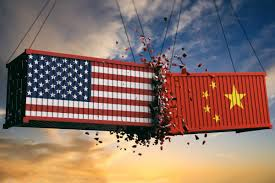
China warned the United States on Monday against taking “discriminatory actions” against its companies, following reports that Washington is considering a ban on vehicles using Chinese and Russian technology.
Bloomberg and other media outlets reported on Sunday that the U.S. is contemplating new regulations that would prohibit hardware and software made in China from being used in its vehicles.
In response to these reports, foreign ministry spokesman Lin Jian urged the U.S. to respect market principles and to provide an open, fair, transparent, and non-discriminatory business environment for Chinese enterprises.
“China opposes the U.S. expanding the definition of national security and the discriminatory measures taken against Chinese companies and products,” Lin stated.
“China will resolutely safeguard its legitimate rights and interests,” he added.
If confirmed, the proposed rules would represent the latest escalation in the ongoing trade conflict between the U.S. and China.
In May, Washington implemented significant tariff increases on Chinese imports, including electric vehicles and semiconductors.
The tariff hikes affected $18 billion worth of Chinese imports, targeting key sectors such as electric vehicles (EVs), batteries, critical minerals, and medical products, according to the White House.
The tariff rate on EVs is set to quadruple to 100% this year, while the rate for semiconductors will increase from 25% to 50% by next year.
These plans were finalized this month, ahead of the November presidential election, as both Democrats and Republicans aim to demonstrate a tough stance on China amid growing competition between the two countries.
The tariff increases on the $18 billion in goods follow a review of levies imposed under former President Donald Trump, which affected approximately $300 billion in Chinese goods.
In addition to the tariff increases, including those on solar cells, the U.S. Trade Representative’s office confirmed that a 50% duty on semiconductors—a significant rise—will take effect in 2025.
President Joe Biden has accused Beijing of “cheating” rather than competing fairly in trade.

You may be interested

Violent Clashes Erupt During Lahore High Court Bar Elections
gisthub - Mar 03, 2026A physical confrontation between legal professionals broke out within the Lahore High Court premises in Pakistan during the Bar Association’s electoral proceedings. The…

IAEA Confirms Strike Impact at Natanz Nuclear Complex
gisthub - Mar 03, 2026The International Atomic Energy Agency (IAEA) has verified that recent military strikes by American and Israeli forces caused structural damage to Iran's Natanz…

Flamengo Parts Ways with Filipe Luis Despite Dominant Semi-Final Victory
gisthub - Mar 03, 2026In a surprising move, Brazilian powerhouse Flamengo has dismissed head coach Filipe Luis shortly after a commanding 8-0 win over Madureira in the…
Most from this category

Death Toll Climbs in Iran as New Leadership Defies Foreign Pressure
gisthub - Mar 03, 2026
Sean ‘Diddy’ Combs Set for April 2028 Prison Release
gisthub - Mar 03, 2026
US Embassy in Riyadh Hit by Drones Amid Rising Regional Tensions
gisthub - Mar 03, 2026
Our Picks

Chargers’ Ben Cleveland Reaches Major Divorce Settlement Following DUI Case
gisthub - Mar 03, 2026Death Toll Climbs in Iran as New Leadership Defies Foreign Pressure
gisthub - Mar 03, 2026Sean ‘Diddy’ Combs Set for April 2028 Prison Release
gisthub - Mar 03, 2026
Most Popular





Leave a Comment