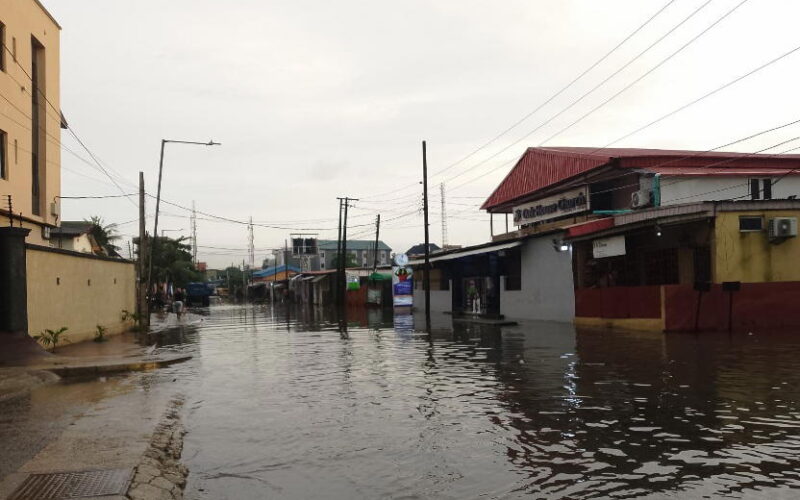
Following severe storms that inundated parts of Lagos, the state government has clarified the factors contributing to the recent flooding in Ikorodu. Commissioner for the Environment and Water Resources, Tokunbo Wahab, stated that while climate change makes flash flooding inevitable, the situation in Ikorodu was worsened by a contractor who blocked the downstream area during construction.
Wahab explained that the contractor did not anticipate the severity of the 12-hour rainfall. Once the deluge began, the government instructed the firm to unblock the water path to allow for proper drainage. The Commissioner emphasized that the state is actively building resilient infrastructure to manage such weather events, though he acknowledged that residents should remain prepared for future flash floods.
Beyond the Ikorodu incident, Wahab expressed frustration over the illegal obstruction of drainage systems by developers and residents. During an inspection tour, he identified numerous instances of unapproved building construction on drainage channels and wetlands, specifically mentioning areas like Agungi, Mehabond Estate, and developments near the Ikota River. He warned that the government would proceed with the immediate demolition of any illegal structures obstructing water flow or encroaching on natural floodplains, regardless of who owns them.
Addressing the ecological impact, the Commissioner highlighted that unauthorized reclamation of wetlands—which function as natural water sponges—has significantly exacerbated the state’s flooding risks. He confirmed that the administration will strictly enforce setback requirements of 150 to 200 meters near riverbeds and lagoon discharge points to protect the environment and public safety.