



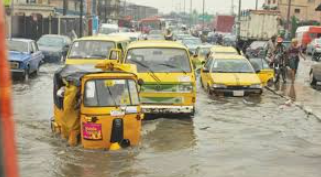
A severe downpour lasting over 12 hours on Tuesday caused widespread flooding across Lagos, disrupting daily life, forcing businesses to close, and halting transportation throughout the state. The heavy rain, which intensified after starting on Sunday, left motorists stranded and prompted many residents to evacuate their homes.
Key areas impacted include the Lagos-Oshodi Expressway, Victoria Island, Ikeja, and parts of the Lekki-Epe corridor. Many parents kept children home for safety, while social media was flooded with distress calls from citizens seeking government help as major infrastructure like the Ojota-Maryland bridge became submerged.
The African Democratic Congress (ADC) criticized the government’s response. Akintunde Adetunji, an ADC candidate, urged authorities to prioritize drainage maintenance and enforce strict anti-littering laws to prevent future disasters, specifically calling for action in the Oshodi region.
Lagos State Commissioner for the Environment, Tokunbo Wahab, attributed the crisis to climate change and human negligence, specifically noting illegal construction on drainage paths and improper waste disposal. He highlighted that construction work near Ikorodu Road exacerbated local flooding, though contractors were ordered to clear the obstructions.
Commissioner Wahab reaffirmed the government’s commitment to building flood-resilient infrastructure. He announced that illegal structures blocking waterways in areas like Megamond Estate in Lekki will be demolished to restore water flow, emphasizing that developers who encroach on wetlands and natural floodplains will face strict regulatory action.