Fuel distribution for the general public has been suspended across Russian-occupied Crimea as Ukraine intensifies efforts to isolate the peninsula. In addition to fuel shortages, residents are experiencing power outages as the region struggles under a strategic squeeze.
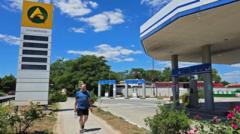
Sergei Aksyonov, the Russian-installed leader in Crimea, issued a decree on Sunday mandating that petrol station sales be halted, with remaining fuel supplies strictly reserved for essential government services. Locals report that despite tankers arriving during the night, pumps remain locked, forcing many to leave their vehicles behind in favor of bicycles or public transport, which is also facing significant service reductions.
The disruption extends beyond transportation. In cities like Sevastopol, cafes and shops are operating on limited daylight schedules, and street lighting has been extinguished at night to conserve power. Residents have expressed concern over surging costs and empty store shelves, with some noting a rise in panic-buying of basic necessities like sugar.
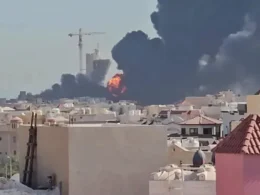
Ukraine’s strategy involves a calculated campaign to dismantle Russian supply lines. By targeting vital bridges—including the Chonhar road and rail links—and attacking oil infrastructure, Kyiv is attempting to disrupt the flow of military and civilian goods. Satellite imagery has confirmed that Russia’s reliance on temporary pontoon bridges has created significant traffic bottlenecks, making them vulnerable to further drone strikes.
These supply difficulties have spread to other Russian-held territories in eastern Ukraine, such as Donetsk, where residents face high prices and persistent shortages of fuel and clean water. While Russian officials, including Deputy Prime Minister Alexander Novak, describe the fuel situation as challenging but manageable, Moscow has already moved to halt fuel exports to maintain internal stability. Analysts note that while these routes are not entirely severed, the increased danger and logistical costs represent a long-term threat to the Russian presence in the region.