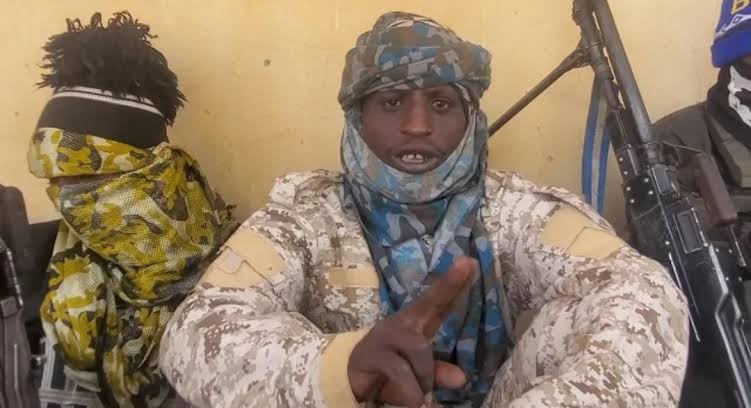
Recent reports claiming that bandit leader Bello Turji has obtained advanced weaponry and is training fighters alongside Boko Haram have intensified worries regarding the security climate in North-West Nigeria. These allegations, if accurate, indicate that criminal syndicates are gaining greater organizational strength and the capability to defy the state. This development follows remarks by Brigadier-General Maharazu Tsiga (rtd), who suggested that internal figures might be assisting these criminal entities.
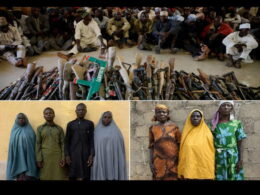
Halliru Abdullahi Maraya, a former Kaduna State official, identifies transnational smuggling and corruption as primary drivers for the influx of high-grade arms. Weak border monitoring continues to allow weapons from conflict-ridden Sahelian nations to enter Nigeria hidden within commercial cargo. Furthermore, critics worry that security personnel may be compromising national safety by allowing state-owned weaponry to reach criminal groups, often through theft during targeted raids on police and military posts.
The geographical reality of the region further complicates containment efforts. The expansive, difficult terrain in states like Zamfara and Katsina allows bandits to maintain remote camps, while local informant networks supply them with intelligence on troop movements. Because these groups operate in decentralized cells, they remain resilient even after individual leaders are neutralized. This criminality has morphed into a self-sustaining economy fueled by illegal mining, cattle rustling, and kidnapping.
Prominent figures, including John Joseph Hayab and former Army Chief Tukur Buratai, have expressed frustration at the perceived lack of progress. Buratai noted that these groups are increasingly using modern digital tools to coordinate their activities, suggesting that security agencies must transition toward more advanced, intelligence-driven strategies. To combat this evolving threat, experts advocate for tighter border controls, strict internal accountability within security services, and a more synchronized, technology-backed approach to neutralize armed factions.