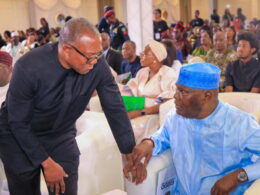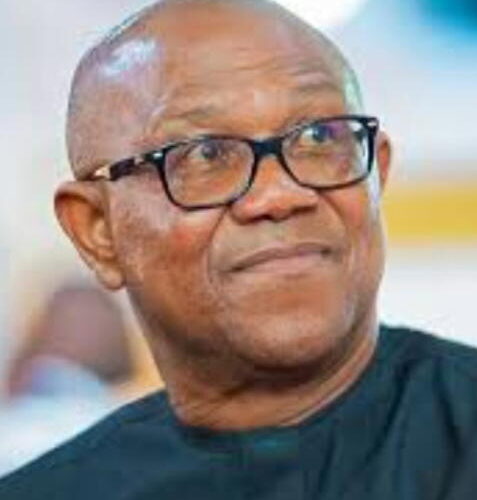
Drawing from the philosophy of Plutarch, who suggested that a person’s character is best revealed through minor daily actions rather than grand historic events, we can gain a clearer perspective on Peter Obi as he turns sixty-five. While his political career and leadership style are widely discussed, his true nature is better reflected in his unconventional, often frugal habits and daily decision-making.
Obi has long maintained a disciplined approach to resources. As a young man, he displayed a sharp business instinct, famously selling his own car to fund a venture when he realized the capital could be put to better use, only to purchase a superior vehicle later. This mindset follows him into his public life today. Whether he is checking into a hotel or choosing a meal, he prioritizes utility over status. He frequently avoids early hotel check-in fees, advocates for cost-effective travel, and ensures that every expense—such as a buffet meal—is fully utilized.
This frugality was a hallmark of his tenure as Governor of Anambra State. He famously discouraged the excessive spending common in government houses, preferring to treat public funds as a trust for development rather than a budget for luxury. He consolidated guest houses and limited lavish entertainment to ensure that resources were funneled into education, healthcare, and infrastructure. This commitment to avoiding waste extends to his personal life, where he favors simplicity in dress and maintains a modest lifestyle, rejecting the ostentatious displays often expected of political figures.
Obi’s interactions with political opponents mirror this restraint. Rather than engaging in prolonged, unproductive arguments, he often utilizes wit or maintains a firm silence, refusing to be drawn into battles he deems beneath his principles. He prefers to let his record and his focus on institutional efficiency speak for him, consistently favoring systems that deliver results directly to the people. As he marks his sixty-fifth year, his legacy remains defined not by the offices he has held, but by his persistent adherence to a moral economy of prudence, intentional living, and the belief that life’s value is found in the service of others rather than the accumulation of personal status.