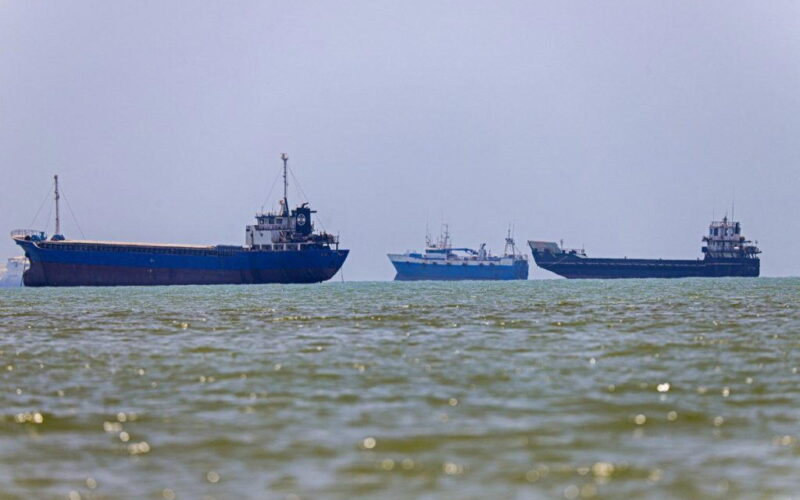
Iran has established a series of conditions for restoring access to the Strait of Hormuz, a move that threatens to further stall efforts to reopen this critical global shipping artery. Tehran is demanding restitution for wartime losses, an immediate halt to military hostilities against its regional interests in places like Lebanon, Palestine, and Yemen, and the removal of US-led naval blockades and financial sanctions. These demands also include the unfreezing of Iranian assets.
Foreign Minister Abbas Araghchi noted that while talks with Oman are reaching a critical phase, the restoration of maritime traffic remains tied to these broader grievances. Meanwhile, the Islamic Revolutionary Guard Corps has asserted that reopening the waterway is independent of these specific diplomatic channels, claiming that international actors will be compelled to accept their terms.
The situation remains volatile, with both the United Arab Emirates and the United Kingdom reporting recent missile and projectile strikes on tankers navigating the area. ADNOC reported that 15 of its ships have faced assaults since the conflict began. While Oman continues to advocate for constructive negotiations, the legal disputes regarding the imposition of transit tolls—which generally contradict international maritime law—persist as a significant hurdle for any lasting resolution.
In related developments, Turkey is working to expand a regional security alliance that includes Saudi Arabia and Pakistan, with expectations that Egypt will soon join. This pact, described as a tool for collective deterrence, aims to stabilize the region despite recent drone attacks on infrastructure in Egypt.