




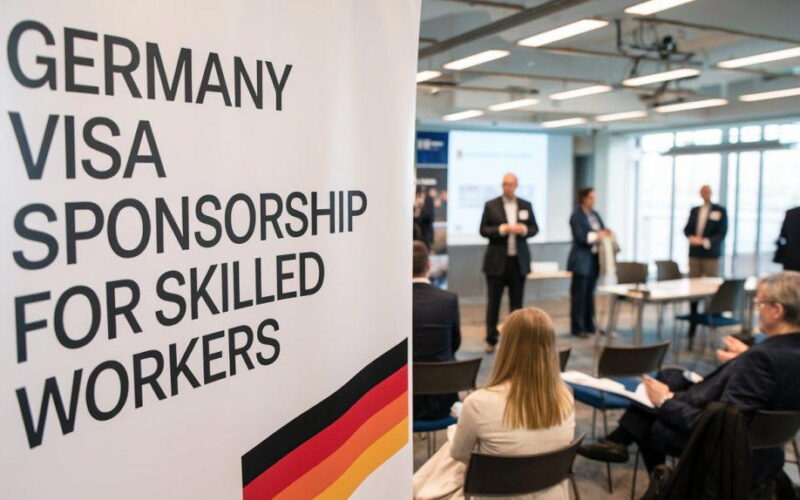
Germany is currently a prime location for international experts looking to advance their careers, with significant demand in fields such as engineering, healthcare, and IT. Because the nation faces a persistent skills gap, qualified candidates from outside the European Union are actively encouraged to apply.
Unlike in other regions, Germany does not maintain a formal list of official visa sponsors. Instead, companies manage visa support based on specific hiring needs. Professionals often utilize the Skilled Worker visa or the EU Blue Card to facilitate their move. The Blue Card is particularly suited for highly skilled individuals who meet specific salary thresholds.
Ten prominent companies known for hiring global talent include Siemens, Bosch, BMW Group, Mercedes-Benz, SAP, Deutsche Telekom, Airbus, Fresenius, Deutsche Bank, and DHL. These firms represent sectors ranging from automotive and aerospace to telecommunications and healthcare.
Before applying, candidates must verify the recognition of their academic or vocational credentials using the ANABIN database or the Recognition in Germany portal. It is essential to note that regulated roles, such as nursing or medicine, often necessitate extra certification and proficiency in the German language.
Job seekers should utilize platforms like LinkedIn, Indeed, StepStone, and the Make it in Germany portal to find roles that explicitly mention relocation or sponsorship support. Once an offer is secured, the employer provides the contract necessary to proceed with the visa application. Note that landing an interview does not guarantee sponsorship; eligibility depends on the specific vacancy and the applicant’s unique qualifications.