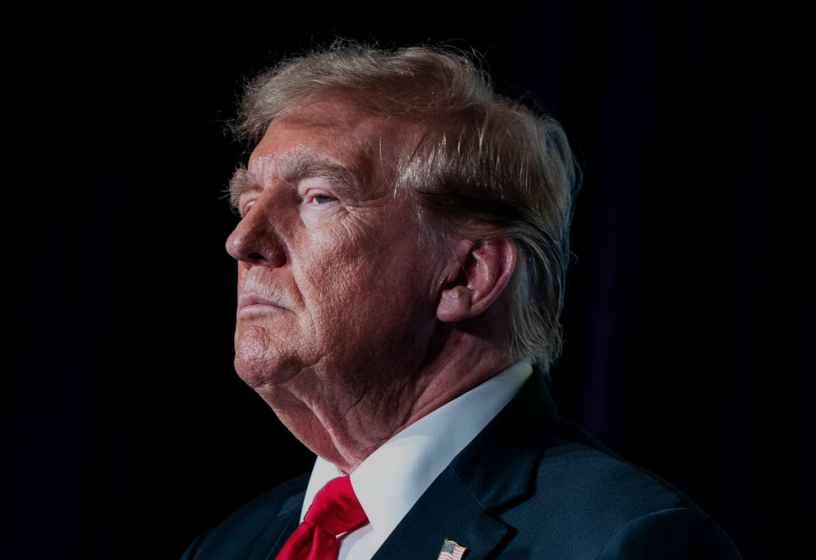
U.S. President Donald Trump has accused South Africa of “confiscating” land and “treating certain classes of people very badly” as he announced that he would cut off all future funding to the country pending an investigation.
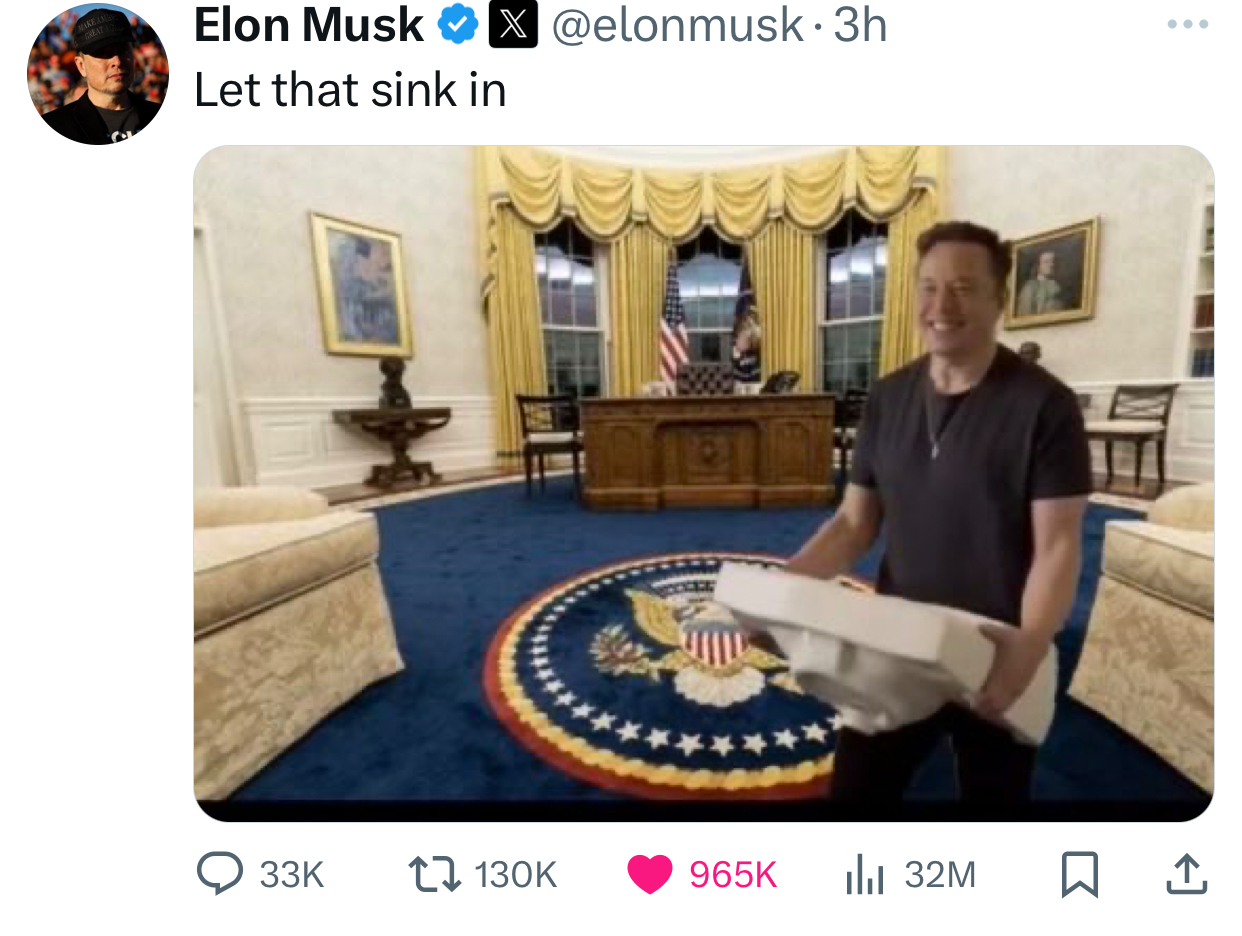
The land issue in South Africa has long been a contentious topic, with efforts to address the inequalities stemming from the era of white rule drawing criticism from conservatives, including Elon Musk, the world’s wealthiest person, who was born in South Africa and is a top adviser to Trump.
Last month, South African President Cyril Ramaphosa signed a bill that allows the government, under certain circumstances, to offer “nil compensation” for property it decides to confiscate in the public interest.
“South Africa is confiscating land, and treating certain classes of people VERY BADLY,” Trump wrote on his Truth Social platform on Sunday, February 2.
“I will be cutting off all future funding to South Africa until a full investigation of this situation has been completed!” Trump wrote.
Pretoria argues that the bill does not allow the government to expropriate property arbitrarily and that it must first seek to reach an agreement with the owner.
However, some groups are concerned that the situation could resemble that of Zimbabwe, where the government seized white-owned commercial farms, often without compensation, following independence in 1980.
Later, in a briefing with journalists, Trump stated that South Africa’s “leadership is doing some terrible things, horrible things,” though he did not provide specific examples.
“So that’s under investigation right now. We’ll make a determination, and until such time as we find out what South Africa is doing — they’re taking away land and confiscating land, and actually they’re doing things that are perhaps far worse than that.”
Land ownership remains a contentious issue in South Africa, with the majority of farmland still owned by white individuals, three decades after the end of apartheid.
The South African government attributes this disparity to the 1913 Natives Land Act, which saw thousands of Black families forcibly removed from their land by the apartheid regime.
This sensitive issue has become a rallying point for conservatives, with figures such as Elon Musk and right-wing journalist Katie Hopkins advocating for the rights of white landowners.
Musk, born in Pretoria on June 28, 1971, to an engineer father and a Canadian-born model mother, left South Africa in his late teens. Apartheid formally lasted until 1990, and multi-racial elections were held in 1994.
Trump has surrounded himself with influential figures from Silicon Valley who came of age during apartheid in Southern Africa, such as David Sacks, his newly-appointed artificial intelligence and cryptocurrency czar, who co-founded PayPal alongside Musk.
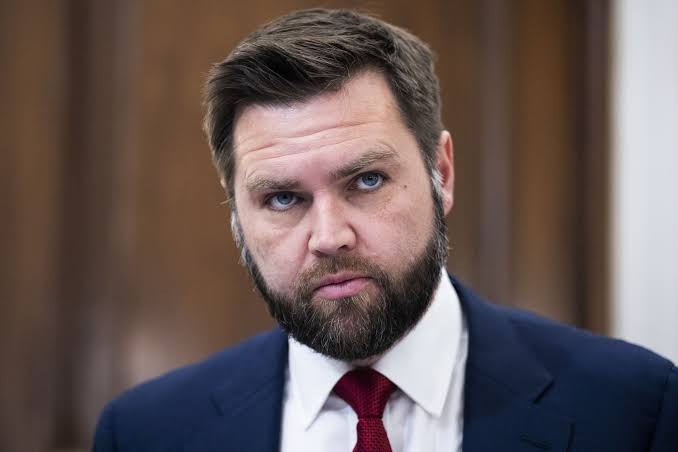
Billionaire Peter Thiel, another PayPal co-founder who introduced Trump to his vice president, J.D. Vance, also spent time in Southern Africa, including in Namibia, which was under Pretoria’s control at the time.