



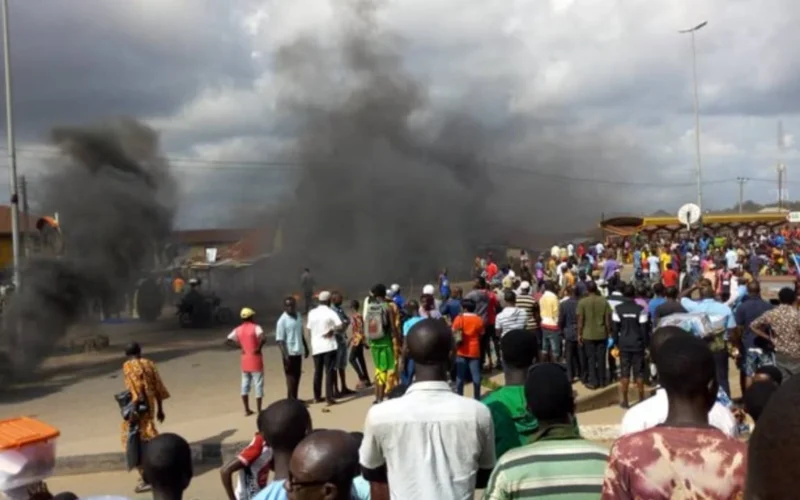
A surge in extrajudicial violence across Nigeria is sparking alarm among legal professionals and human rights advocates. With records showing at least 555 incidents of mob violence, activists are demanding state intervention to halt these attacks and safeguard citizens.
Tragic cases, including the deaths of Deborah Yakubu and Ummul Khairi, highlight the lethal consequences of citizens bypassing judicial processes. Isa Sunusi, Country Director of Amnesty International Nigeria, emphasized that the state is legally bound to conduct transparent investigations and prosecute offenders. He urged the government to improve police capacity and strictly enforce existing laws to curb these incidents.
Sunusi also identified weak law enforcement and corruption as primary drivers of mob violence, particularly in rural areas where false witchcraft accusations are weaponized. Similarly, Amb. Abdullahi Bakoji Adamu of the International Human Rights Commission stressed that mob attacks represent a severe violation of fundamental human rights, citing the Universal Declaration of Human Rights to reinforce that individuals remain innocent until proven guilty in a court of law.
Legal practitioner Ibrahim Kiyawa clarified that no Nigerian statute permits citizens to serve as judge and executioner. He explained that legal procedure mandates reporting criminal suspicions to law enforcement rather than resorting to physical aggression. Kiyawa warned that those who participate in fatal mob actions face potential criminal prosecution themselves, while calling on the media to amplify campaigns against these dangerous practices.