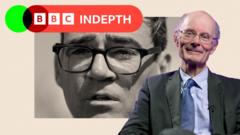
Sir John Curtice notes that public opinion polls since the new prime minister took office indicate that Labour is experiencing a boost in support, a trend confirmed by the party’s recent victory in the Greater Manchester Mayoral by-election. Labour’s current standing, averaging in the mid-20s, is its strongest since early last year, rising from the 19% recorded when Sir Keir Starmer stepped down. However, with Reform polling closely behind, the party faces significant hurdles before it can approach a general election with certainty.
This upward trend is common for incoming prime ministers. Historically, Gordon Brown and Boris Johnson saw similar increases in support when they assumed power, though Liz Truss was an exception. The current surge for Mr. Burnham is bolstered by a particularly low starting point, as Labour’s 19% rating under Sir Keir was the lowest for a departing mid-term leader. Despite the improvement, current numbers remain lower than the party’s performance in the 2024 general election.
Labour’s performance in the Manchester mayoral contest was strong, outperforming expectations from recent national polls. Conversely, Reform has struggled recently, hampered by inquiries into its funding and Nigel Farage’s decision to trigger a by-election in Clacton. These issues have seen Reform’s poll numbers drop to a 15-month low. Mr. Burnham’s recovery has largely been driven by reclaiming voters from the Greens and the Liberal Democrats, as well as retaining a higher percentage of 2024 Labour voters.
Ultimately, while Mr. Burnham has provided Labour with a renewed sense of potential, he must still address the concerns of working-class voters who shifted toward Reform. Future electoral success hinges on whether the public believes the government is effectively tackling the substantial policy challenges it inherited.