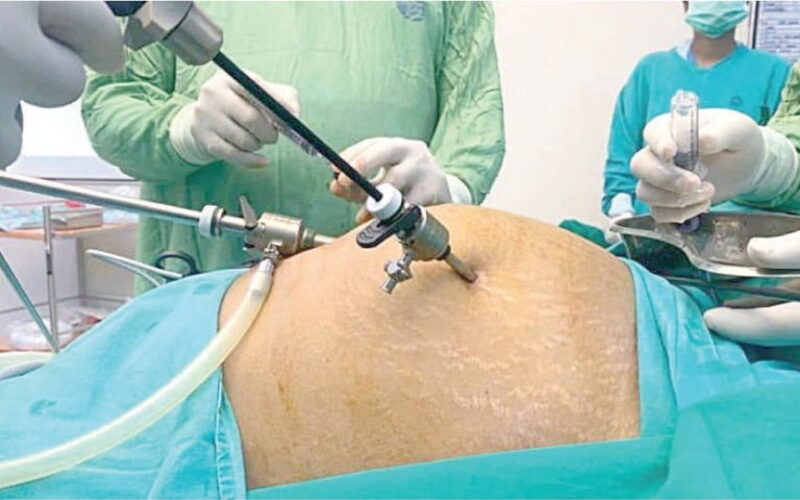
In Nigeria, the topic of uterine fibroids is frequently avoided, leading to a culture where women only seek help when the condition becomes unbearable. Many endure years of painful, heavy menstrual cycles or fertility struggles before reaching out for medical assistance, at which point surgery is often presented as the sole solution. This cycle of silence and reactive care creates a significant public health issue that requires urgent attention.
Recent studies suggest a proactive approach may be possible. While lifestyle adjustments cannot guarantee the prevention or total elimination of fibroids, they are increasingly viewed as tools that can influence the growth and severity of these benign tumors. By focusing on nutrition, weight management, and vitamin D levels, there is potential to mitigate risks earlier.
Uterine fibroids are highly prevalent, affecting a large percentage of women during their reproductive years. In the Nigerian context, these symptoms are often dismissed as normal, delaying intervention and increasing the emotional and financial burden on families. Black women, in particular, often face more aggressive tumor growth and earlier onset compared to other demographics, highlighting the need for targeted education.
Shifting the focus from strictly surgical interventions to lifestyle-based preventive strategies could empower women. Research indicates that modifiable factors, such as physical activity and stress reduction, may help slow disease progression. Adopting this perspective could change the narrative in Nigeria, transforming fibroid management from a reactive surgical model to one centered on early education and informed health choices.