Canada has officially modified its citizenship-by-descent regulations following the enactment of Bill C-3 on December 15, 2025. These revisions eliminate the prior first-generation restriction for individuals born abroad before this date, opening potential pathways for those with Canadian roots to claim their citizenship.
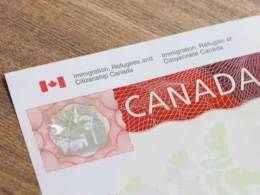
However, it is important to note that a Canadian family connection does not confer automatic citizenship. Applicants must verify their eligibility and prove their status through official channels. To obtain a citizenship certificate, which is required for passport applications and accessing government benefits, individuals must submit formal documentation. Immigration, Refugees and Citizenship Canada (IRCC) requires a complete paper trail, including birth and marriage certificates, to confirm the lineage linking the applicant to their Canadian ancestor.
The path to citizenship is not always straightforward. Factors such as a parent renouncing their status before a child was born, or acquiring citizenship only after a child’s birth, can impact legal eligibility. Because these histories are often complex, it is recommended that applicants thoroughly research their family records—including dates of birth, naturalization details, and any name changes—before filing an application. Consulting with professionals may be necessary for those with complicated backgrounds to ensure all requirements are met.