




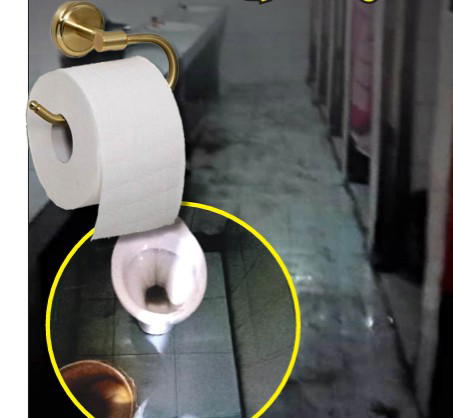
In major hubs like Lagos Island, public sanitation remains a hazardous challenge. Near the Marina car park, a facility featuring pit latrines produces an overpowering, noxious stench that persists despite attempts at maintenance. For many, accessing even these basic, unhygienic facilities is a financial burden, yet the alternative is far worse. When seasonal rains arrive, they sweep human waste from neglected areas into residential streets and water supplies, creating an urgent public health catastrophe.
This issue extends beyond poor personal habits; it is a profound failure of infrastructure and public policy. Millions of Nigerians lack access to safe, affordable, and clean restrooms, forcing many to utilize open spaces. This trend fuels the spread of preventable diseases like cholera and typhoid, disproportionately impacting children and vulnerable populations. Furthermore, the lack of secure, well-lit facilities makes nighttime access dangerous, leading many to avoid public toilets entirely.
While some state governments have initiated campaigns to eliminate open defecation, progress remains inconsistent due to a reliance on temporary fixes rather than long-term infrastructure investment. Sustainable change requires a shift in strategy. Authorities must prioritize building accessible, gender-sensitive, and well-maintained facilities in high-density areas. Furthermore, financing models should incorporate subsidies for low-income citizens to ensure that cost is not a barrier to basic hygiene.
Ultimately, addressing this crisis necessitates viewing sanitation as a fundamental human right. It requires a combination of community engagement, consistent law enforcement, and the integration of infrastructure improvements—such as adequate street lighting and reliable water supplies. By transitioning from mere policy promises to practical, daily solutions, Nigeria can move toward a future where dignity and public health are standard for all citizens.