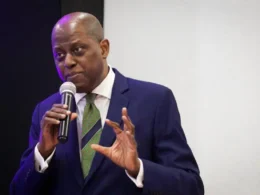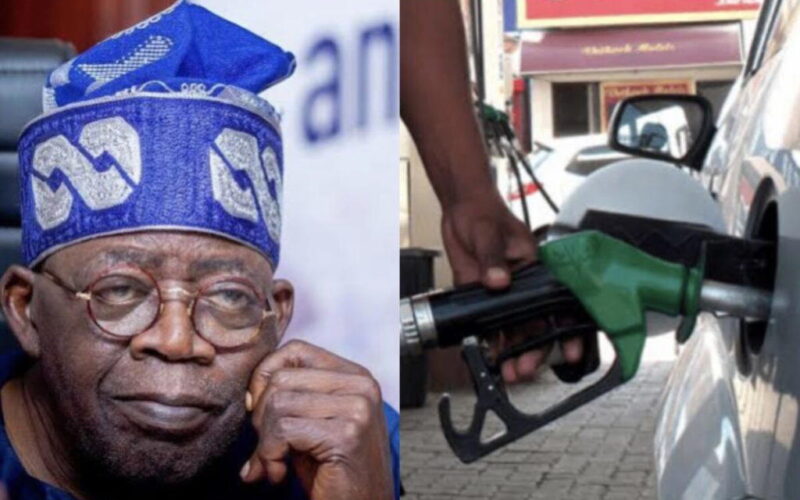
Tensions have emerged between the Federal Government and organized labor regarding the utilization of funds generated from the cessation of fuel subsidies. Taiwo Oyedele, the Minister of Finance and Coordinating Minister of the Economy, stated that these resources were redirected toward critical fiscal obligations, including servicing foreign debts, settling Ways and Means advances, funding student loans, and supporting adjustments to federal worker compensation.
Addressing the Africa Emerging Markets Forum in Abuja, Oyedele emphasized that eliminating the subsidy was primarily intended to reduce corruption and systemic distortions rather than merely acting as a cost-saving measure. He pledged to release a comprehensive breakdown of the expenditure in the near future to ensure public transparency. The Minister further clarified that government borrowing remains a necessary component of fiscal policy, asserting that revenue growth does not automatically eliminate the requirement to bridge budgetary deficits.
Labor organizations, including the Nigeria Civil Service Union and representatives from the Nigeria Labour Congress, promptly disputed these claims. Olowoyo Gbenga, General Secretary of the NCSU, rejected the government’s narrative as inaccurate, citing concerns over poor budget implementation and a lack of verifiable proof. Labor leaders questioned the validity of salary increase claims, pointing to delays in implementing the 40 percent peculiar allowance and the non-payment of outstanding wage awards.
Critics within the labor movement described the government’s explanation as an attempt to evade accountability for the mismanagement of public funds. They challenged the Minister to provide empirical evidence, suggesting that the savings had been squandered on non-essential expenditures rather than the welfare of the workforce. Labor officials insisted that the government must offer a more transparent and credible accounting to restore public trust.