




Nigerian cooking is renowned for its diverse tastes and cultural heritage. While many traditional dishes are wholesome, certain foods require specific preparation methods or limited intake to avoid potential health complications.
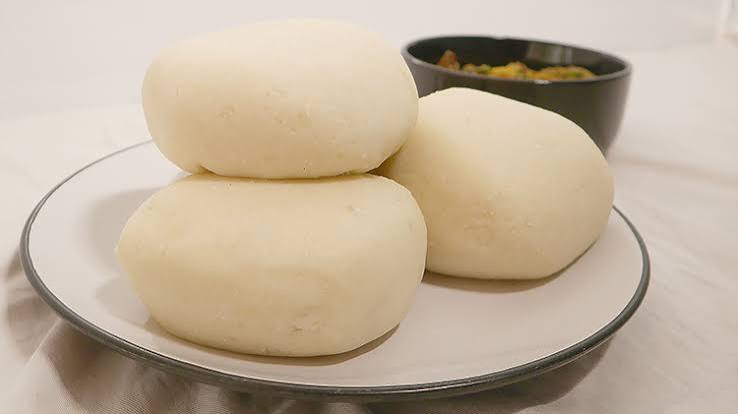
Fufu, a staple usually made from cassava, carries risks if not prepared correctly. Cassava contains cyanogenic glycosides that can turn into toxic cyanide. To stay safe, the tubers must undergo thorough soaking, fermentation, and boiling.
Suya is a favorite grilled meat delicacy, but cooking it over direct flames creates chemicals like heterocyclic amines and polycyclic aromatic hydrocarbons. Experts warn that long-term consumption of these charred compounds is linked to cancer risks, suggesting moderation and a balanced diet rich in produce.
Palm oil is essential to many local soups, yet its high saturated fat content poses heart health concerns. Overeating it can raise bad cholesterol levels. Additionally, commercial practices involving the repeated reheating of palm oil often create dangerous trans fats.
Popular deep-fried snacks like puff-puff, buns, and akara are widespread. When vendors reuse cooking oil multiple times, it degrades into harmful compounds linked to heart disease and diabetes. These treats are best enjoyed sparingly.
Finally, Kunu is a traditional grain-based drink that is highly nutritious. However, because it is often prepared in environments where sanitation may be inconsistent, it is susceptible to bacterial contamination like E. coli and Salmonella. Using sanitized tools and clean water is essential to prevent foodborne illness.