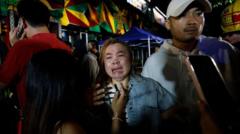
In a rare political shift under Prime Minister Narendra Modi, India’s education minister, Dharmendra Pradhan, resigned following persistent nationwide protests led by young activists. Throughout twelve years of the current administration, cabinet departures have been extremely uncommon, making this event a significant milestone for a generation eager to exercise its democratic right to dissent.
The momentum behind the protests grew following the cancellation of the NEET medical entrance exam due to a widespread paper leak, which sparked outrage among students facing high unemployment rates and systemic instability. Activist groups, such as the Cockroach Janta Party, successfully utilized platforms like Instagram to bypass traditional media narratives, effectively coordinating large-scale demonstrations in cities like Delhi and Mumbai.
While participants like 18-year-old Harshvardhan Kadam and 26-year-old Somaya Korde view the resignation as a victory, they emphasize that systemic issues—including job scarcity, education privatization, and government accountability—remain unaddressed. Despite the government’s pledge to avoid targeting protesters, many activists are pursuing legal safeguards amid reports of arrests and charges filed against organizers.
As the movement continues, the emboldened youth population remains determined. With slogans demanding further changes and murals appearing at protest sites, it is clear that this wave of student-led mobilization has fundamentally altered the political climate in India, signaling that these young citizens are ready to remain a persistent force in the nation’s political landscape.