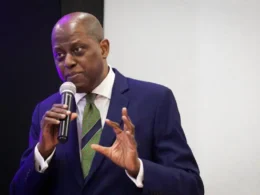





Taiwo Oyedele, the Minister of Finance and Coordinating Minister for the Economy, recently defended the current administration’s fiscal record before the Senate Committee on Finance. He argued that the rise in Nigeria’s debt stock to N159 trillion is not due to excessive borrowing but rather accounting adjustments, the securitization of Central Bank advances, and currency depreciation. While these technical points hold some merit, critics argue that such explanations mask deeper issues of fiscal recklessness and poor governance.
The decision to securitize N33 trillion in Ways and Means advances essentially turns illegal borrowing into formal debt, a move that critics suggest legitimizes past fiscal breaches. Furthermore, the administration faces criticism for the sharp devaluation of the naira, which significantly inflated the value of external debt. This devaluation resulted from specific policy choices, yet officials treat the consequences as external, uncontrollable events.
A broader concern highlighted by legislators like Senator Tahir Monguno is the failure of the government to implement budgeted capital projects. Despite high revenue collection through the Federal Inland Revenue Service, the tangible impact on citizens remains minimal. Budget performance continues to be described as theatrical, with recurrent costs taking priority over critical infrastructure or public services.
Ultimately, the argument remains that the government prioritizes macroeconomic indicators that do not translate into improved livelihoods for Nigerians. With inflation soaring and purchasing power declining, the focus on tax collection and debt servicing without corresponding service delivery is viewed by many as a system designed to sustain the state at the expense of the populace.