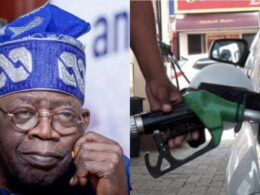




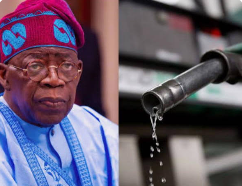
When President Bola Tinubu announced the end of the fuel subsidy on May 29, 2023, it was positioned as a major shift to stabilize public finances. While the move aimed to redirect funds toward infrastructure and essential services, concerns have surfaced regarding whether the subsidy truly vanished or simply transformed. Dele Oye, Chairman of the Alliance for Economic Research and Ethics Ltd/GTE, has characterized the N17.5 trillion in receivables reported by the Nigerian National Petroleum Company Limited (NNPCL) as a form of hidden subsidy.
Oye clarified that the N17.512 trillion figure comprises energy security costs and other government-related expenditures rather than a straightforward debt. He pointed out that while the government claimed to end the subsidy, the NNPCL continued to cover the gap between the actual cost of fuel imports and consumer prices, effectively transferring the financial burden to the Federation. This practice, supported by World Bank observations, continued until October 2024.
Legal questions remain regarding whether these costs align with the Petroleum Industry Act and constitutional requirements for revenue management. Oye emphasized that these deductions reduce the funds shared among state and local governments through the Federation Accounts Allocation Committee, impacting budget implementation for schools, healthcare, and security. He called for a forensic audit to reconcile these accounts and advocated for full transparency, urging the government to subject any future price-support measures to legislative oversight rather than off-budget arrangements.