




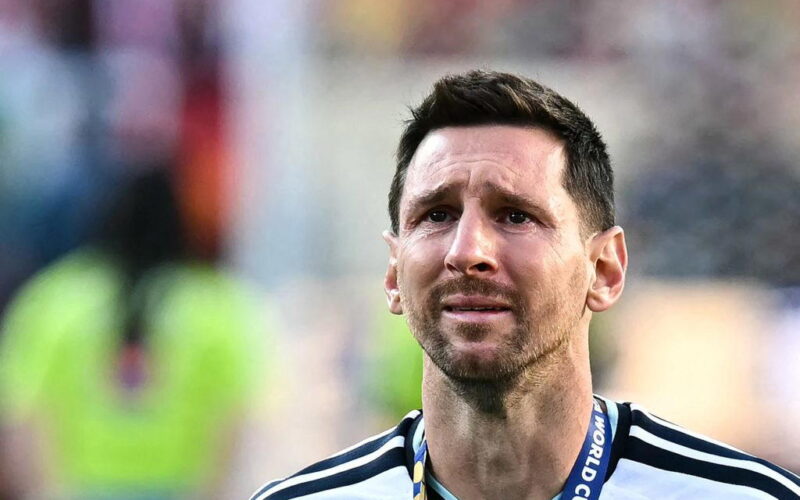
On July 19, 2026, Lionel Messi was captured crying during the trophy ceremony following the World Cup final between Spain and Argentina at New Jersey’s MetLife Stadium. While losses in sports occur, this specific reaction felt significant because it highlighted a universal truth: no one is immune to the passage of time.
For twenty years, Messi defied expectations and seemed to operate outside the physical limitations of typical athletes. Society often creates icons out of extraordinary individuals, expecting them to carry heavy cultural burdens. Messi, much like other historical figures, was elevated to a status that suggested he was a force beyond humanity. His tears served as a reminder of his mortality, proving that even those we view as legends are eventually governed by the same clock as everyone else.
The tendency to center institutions, companies, and movements around singular personalities often leaves us unprepared when those individuals inevitably fade. We prefer the simplicity of heroes over the tedious, slow process of building resilient structures. However, history demonstrates that sustainable systems consistently outperform temporary brilliance.
Ultimately, Messi’s emotional moment in the 2026 tournament was not merely about a failed match. It was a mirror reflecting our own collective vulnerability. Watching an individual we believed to be exempt from time finally succumb to its pressure forces us to confront our own mortality. Once the spectacle concluded, the world remained as demanding and incomplete as ever, shifting the focus back to the necessity of building enduring foundations rather than relying on the fleeting presence of a single savior.