




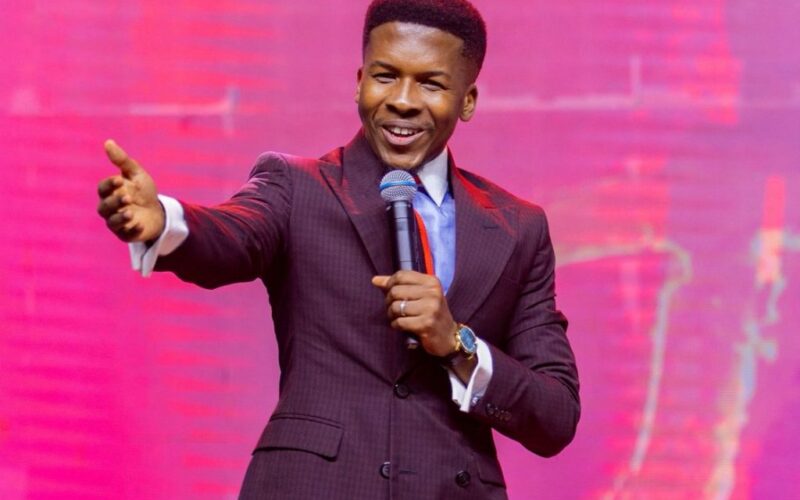
Historically, a pastor’s reach was confined to the physical capacity of their church building. Today, that influence has expanded globally, leveraging platforms like Instagram, TikTok, Facebook, and X to connect with millions of people. While these digital tools have become essential for modern ministry, they have also birthed a new category of leader: the social media pastor.
The transformation of church engagement began in earnest during the COVID-19 pandemic, when physical lockdowns forced congregations to move online. This shift proved permanent for many, as churches now frequently share bite-sized sermon clips, live-streamed prayer sessions, and daily testimonials. This digital accessibility has been a lifeline for young professionals, those in the diaspora, and individuals seeking support for mental health challenges.
However, this transition has blurred the lines between evangelism and personal branding. Many church leaders now manage elaborate media operations, treating every sermon and outreach event as content for their online profiles. Younger generations often look past the message to fixate on the fashion, grooming, and luxurious lifestyles of figures like Pastor Emmanuel Iren, Pastor Jerry Eze, and Pastor Ade Adegboyega. Other notable Nigerian leaders utilizing these platforms include Pastor David Ogbueli, Apostle Joshua Selman, and Pastor Enoch Adeboye, among many others.
Critics, including Reverend Israel Kristilere of Shepherdhill Baptist Church, express concern that this focus on celebrity culture promotes worldliness. While acknowledging the value of digital reach, Kristilere warns of the dangers of commercializing the gospel, spreading shallow theology, and fostering unhealthy competition. Conversely, Reverend Toyin Kehinde of Agape Generation International Church likens social media to the historical Roman road networks, suggesting it is a vital modern conduit for spreading the faith, provided the focus remains on the message rather than the messenger.