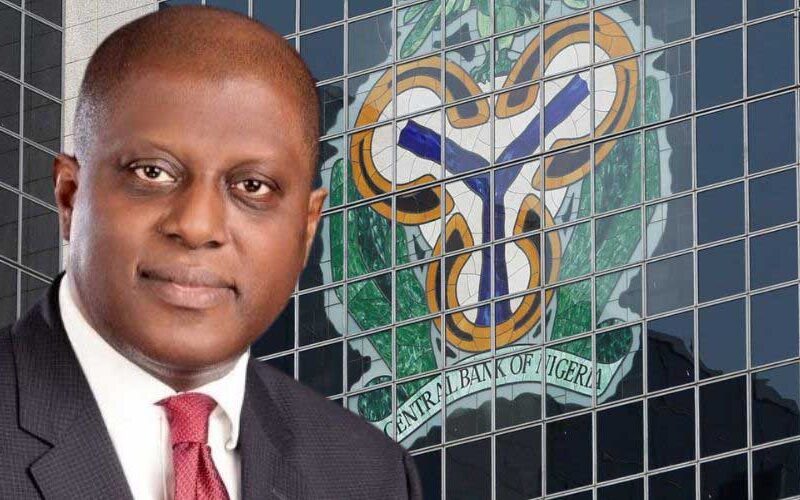
Olayemi Cardoso, the Governor of the Central Bank of Nigeria, informed the Senate that the nation’s external reserves reached $52.73 billion by July 9, 2026. This marks a notable rise from the $48.88 billion recorded in January. During his testimony before the Senate Committee on Banking, Insurance and Other Financial Institutions, Cardoso highlighted that this 7.9 percent increase demonstrates a strengthening economy and renewed faith in the foreign exchange market.
The governor noted that net external reserves have surged by 900 percent, climbing from $3.99 billion in 2023 to more than $40 billion. Looking ahead, Cardoso expressed optimism for the second half of 2026, citing expectations for continued inflation moderation due to stable exchange rates and disciplined monetary policy.
A major milestone highlighted by Cardoso was the Banking Sector Recapitalisation Programme, which successfully raised N4.65 trillion. Domestic investors accounted for 72.55 percent of this capital, while foreign investors provided the remaining 27.45 percent. Currently, 33 banks have satisfied the new capital requirements, and the regulator is working with the remaining institutions to ensure stability and depositor protection.
Senator Adetokunbo Abiru, who chairs the committee, praised the central bank’s efforts in stabilizing the foreign exchange market. However, he urged the newly recapitalized banks to focus on providing affordable credit to critical sectors such as manufacturing, agriculture, and technology, rather than merely growing their balance sheets. Following the presentation, the committee moved to a private session for further discussions with the central bank leadership.