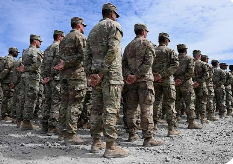
The Pentagon confirmed that close to 100 American service members sustained injuries during a two-week period marked by intensified hostilities involving Iran. This surge in casualties occurred as Tehran initiated retaliatory measures following ten consecutive nights of US airstrikes. President Donald Trump addressed the Houthi rebels’ threat to blockade Saudi ports, stating that the US would respond decisively if such actions were carried out.
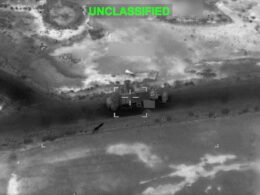
Reports from Iran’s Revolutionary Guards indicate that US military infrastructure, specifically air defense and radar systems in Kuwait and Bahrain, were targeted. Additionally, a tanker in the Strait of Hormuz was struck by an unidentified projectile, causing the crew to evacuate. While officials in Jordan, Kuwait, and Bahrain stated that their defense systems were activated, the significant number of injuries reported across the region has prompted questions regarding the extent of the conflict.
Pentagon spokesperson Sean Parnell addressed claims that injury data was being suppressed, asserting that most affected personnel suffered only minor concussions and have returned to duty. This statement followed a report from The New York Times. Meanwhile, three US soldiers have been killed in Jordan and Iraq over the past week. Despite ongoing military pressure, Iran has maintained control over the Strait of Hormuz, further complicating global oil and trade stability. The situation remains volatile as the Houthi movement declared a maritime embargo against Saudi Arabia, threatening passage through the Bab al-Mandeb strait. Diplomatic efforts involving Pakistan continue, though the viability of reaching a new agreement remains uncertain following the collapse of a previous interim truce.