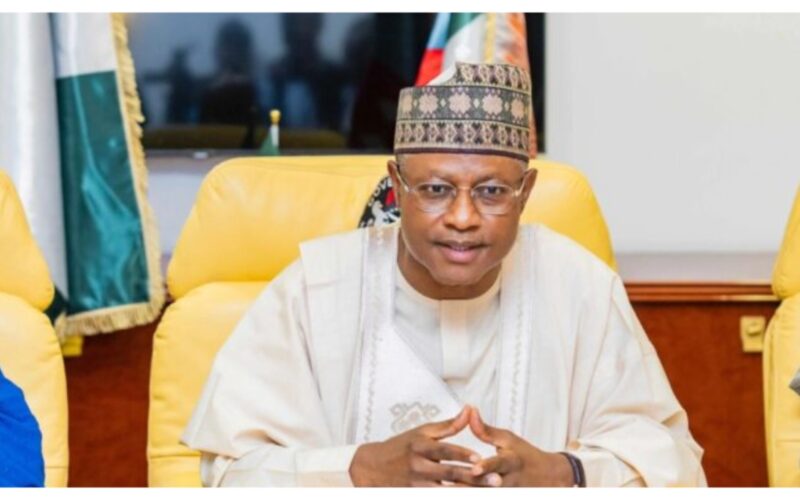
Governor Uba Sani has advised other states interested in adopting the Kaduna Peace Model to first identify the unique triggers and symptoms of their local security challenges. He emphasized that for the model to succeed, state leaders must foster community ownership, ensuring that residents believe in and actively participate in the peacebuilding process.
Speaking to the National Economic Council’s Implementation Monitoring Committee at Sir Kashim Ibrahim House, Sani noted that his initial focus upon taking office was repairing the damaged trust between the government and its citizens. He highlighted that his administration prioritized justice and fairness to neutralize the influence of individuals who previously manipulated religious and ethnic divisions for personal gain.
Sani reported that since May 29, 2023, Kaduna State has remained free from ethno-religious conflicts. By prioritizing inclusive governance over partisan politics, the state has successfully reopened over 150 primary healthcare centers and more than 100 schools that had previously been shuttered due to insecurity. Furthermore, farmers have returned to their lands, reclaiming over 500,000 hectares of previously abandoned territory.
The Governor also showcased the state’s progress in education and agriculture. Kaduna has enrolled roughly 300,000 out-of-school children and currently allocates at least 26% of its budget to the education sector, with a strong emphasis on vocational skills. In agriculture, the state has significantly increased its annual budget to over N123 billion, surpassing the Malabo Declaration requirements. Kaduna is now a leading producer of maize, tomatoes, and ginger in Nigeria, bolstered by extensive support programs for smallholder farmers, including the free distribution of fertilizer to hundreds of thousands of producers.