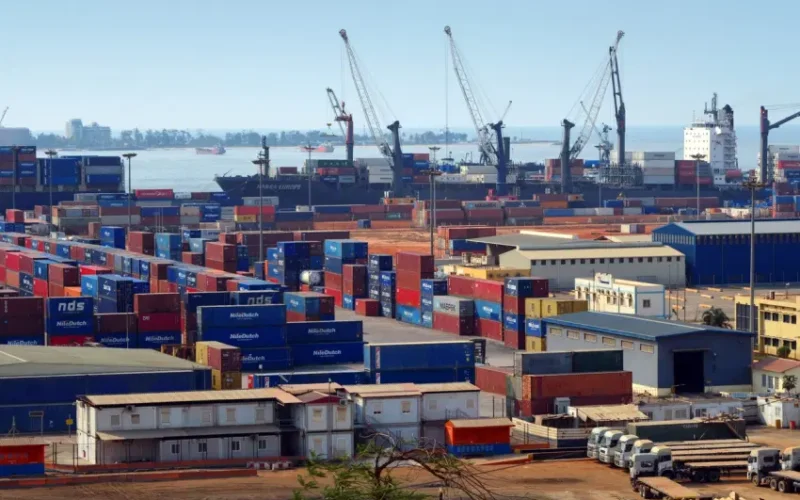
The Sea Empowerment & Research Center (SEREC) reports that the increasing use of Nigerian seaports for drug trafficking is damaging the nation’s economic standing and global trade image. Their July 2026 bulletin highlights that as long as narcotics pass through these ports, international partners will likely enforce harsher cargo inspections. This creates a chain reaction of delays, increased logistics expenses, and instability for legal businesses.
SEREC notes that this criminal activity does more than violate the law; it creates a dangerous environment that drives money laundering, corruption, and organized crime. These factors collectively weaken national institutions and threaten economic stability. The report emphasizes that Nigeria’s maritime gateways must be protected to ensure they serve legitimate commerce rather than becoming hubs for international criminal syndicates.
To solve this crisis, SEREC suggests moving away from simply reacting to seizures and shifting toward a proactive, intelligence-based strategy. The organization proposes using AI for cargo profiling, installing more non-intrusive scanners, and improving container tracking. Furthermore, the report calls for better coordination between the Nigeria Customs Service, NDLEA, NPA, and NIMASA, alongside the full deployment of the National Single Window. Implementing these technological and collaborative reforms is deemed essential to restoring confidence in the port system and protecting Nigeria’s long-term financial health.