



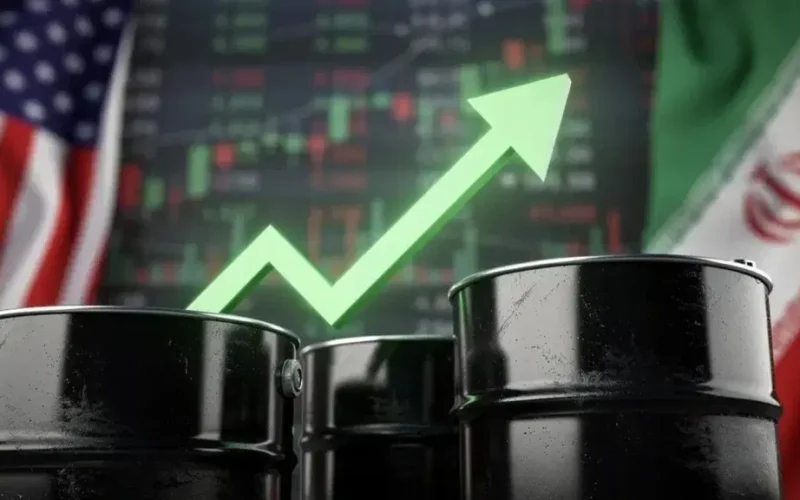
Global oil prices pulled back slightly after reaching a one-month peak on Monday. This decline followed confirmation from Iran that diplomatic discussions with the United States remain active through third-party mediators, despite ongoing regional hostilities in the Middle East.
Crude values had climbed significantly over the previous week as escalating tensions between Washington and Tehran fueled anxiety regarding the Strait of Hormuz, a critical maritime route for roughly 20 percent of the world’s seaborne energy supply. Brent crude reached $89 per barrel after briefly touching $91, while West Texas Intermediate also maintained recent gains.
Iranian foreign ministry spokesperson Esmaeil Baghaei noted during a press briefing in Tehran that the diplomatic process is currently functional, with mediators facilitating the exchange of ideas between the two nations. This comes amid a backdrop of localized strikes and counter-strikes in the Gulf region.
Market analysts are currently weighing the risks of sustained high energy costs against broader economic trends. While elevated oil prices often trigger fears of persistent inflation, experts like Stephen Innes of SPI Asset Management suggest that cooling US inflation and a softer labor market might prevent a major inflationary cycle. However, economists warn that prolonged high energy prices could eventually stifle household spending and dampen economic growth.
International market performance was mixed. Chinese indices saw gains as investors anticipated new economic stimulus from Beijing. Conversely, many major indices in Asia, Europe, and on Wall Street faced downward pressure, reflecting investor caution regarding technology stocks and regional instability. In the tech sector, competition is intensifying as Chinese firms like Moonshot AI release advanced models that threaten the market dominance of US-based laboratories.