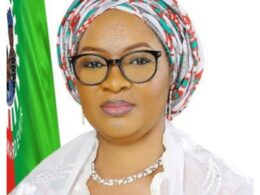
For over eleven years, Diezani Alison-Madueke, Nigeria’s former Minister of Petroleum Resources, was the central figure in a relentless wave of global corruption allegations. Her name became shorthand for excess, frequently appearing in reports concerning luxury assets and illicit financial dealings. This intense media spotlight persisted from the time she left office until a London jury delivered a definitive verdict in June 2026, acquitting her of all six charges brought against her.
While this legal victory concluded her courtroom battle, it raised difficult questions regarding the durability of digital reputations. OSINT analysis of nearly 1,000 news reports between 2015 and 2026 reveals a stark disparity: while initial accusations generated massive coverage, the reports of her eventual acquittal saw an 80 percent drop in engagement. This highlights how allegations often cement themselves in public consciousness far more effectively than the truth of an exoneration.
The fallout from these investigations extended well beyond the former minister, impacting a vast network of associates, including family members, oil executives, and banking officials. Figures such as Kolawole Aluko, Olajide Omokore, and current Zamfara State Governor Dauda Lawal faced years of scrutiny, with some enduring long legal battles before being discharged. Despite varied judicial outcomes, the social and professional stigma attached to these individuals remains difficult to erase.
Ultimately, the Diezani saga serves as a cautionary tale about the intersection of media, law, and public perception. While the verdict at the Southern Crown Court restored her legal standing, it underscores the reality that a judicial decision cannot easily undo the deep-seated narratives constructed over a decade. It stands as a reminder to media outlets and investigative bodies that the presumption of innocence is often easily discarded in the face of sensationalized reporting.