If the late human rights lawyer Gani Fawehinmi were alive today to address the current budgetary irregularities and the 2% GDP gap, he would likely describe the situation not as fiscal mismanagement, but as institutionalized theft. Nigeria’s current leadership, much like its predecessors, appears to treat public funds as private property, exacerbating a long-standing cycle of corruption.
When the International Monetary Fund representative in Abuja noted that approximately 2% of Nigeria’s GDP is missing from official budget records, it highlighted a systemic failure. This missing capital represents essential infrastructure and services that never reached the public. Furthermore, the Senate’s discovery of N210 trillion in discrepancies within NNPC accounts between 2017 and 2023 points to a coordinated effort to disguise the movement of wealth. These figures suggest a deliberate system designed to prioritize private gain over public utility.
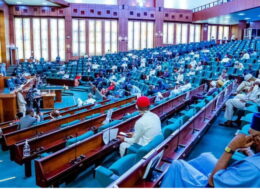
The legislative branch, tasked with oversight, has been compromised by accusations of bribery and conflicts of interest. Rather than holding executive agencies accountable, lawmakers are often accused of participating in a transactional system where investigations are influenced by the entities they are supposed to regulate. Projects like the Lagos–Calabar coastal highway, awarded without competitive bidding to associates of the administration, further illustrate a pattern of bypassing established procurement laws to benefit political allies.
While Nigeria possesses robust laws such as the Fiscal Responsibility Act of 2007, these regulations are routinely ignored by the ruling elite. The decline in transparency scores, which dropped from 45 in 2021 to 31 in 2023, reflects a government that prioritizes technocratic optics over actual public participation or fiscal integrity. The modern approach to looting is arguably more damaging than past military regimes because it hides behind the facade of democratic procedure, utilizing parliamentary probes that rarely yield financial recovery.
Ultimately, the burden of change rests with the citizenry. Relying on the ruling class to regulate its own activities has historically failed. Meaningful accountability in Nigeria will likely only arise when civil society, labor unions, and a vigilant public force the government to answer for its fiscal conduct, making the cost of impunity higher than the benefits of corruption.