




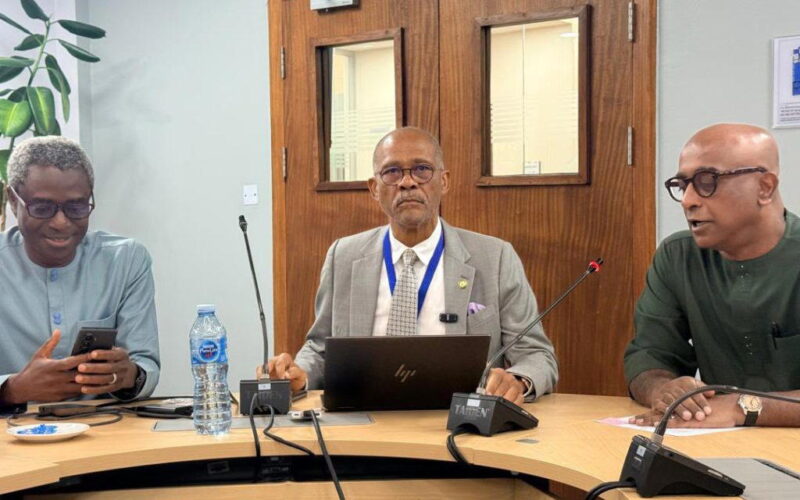
Professor Akin Abayomi, the Lagos State Commissioner for Health, has disclosed that merely five per cent of fever patients in the state are actually suffering from malaria. He cautioned that the common habit of automatically treating any fever as malaria leads to incorrect diagnoses, the misuse of medications, and the rise of antimicrobial resistance.
These insights emerged from the Lagos State IMPACT Project, an initiative backed by the World Bank. The study evaluated nearly 78,000 patients across 392 medical facilities, including pharmacies and medicine vendors, marking the most extensive field test for malaria in Nigeria to date. While doctors historically attributed roughly 70 per cent of fevers to malaria, rigorous lab testing, including Antigen Rapid Diagnostic Tests and PCR, confirmed the actual prevalence is significantly lower.
In response to these findings, the state has launched a Test, Treat, and Track strategy. Commissioner Abayomi emphasized that patients testing negative for malaria must undergo further examination to identify other conditions, such as viral infections, Lassa fever, or bacterial issues. He stressed that a negative test result is merely the first step toward uncovering the real source of an illness. Moving forward, the state aims to expand access to quality diagnostic tests in community pharmacies to ensure patients receive accurate care and avoid unnecessary drug consumption.