On Wednesday, the United States formalized an agreement to construct a permanent embassy in Jerusalem. Israeli officials described this development as a signal of the enduring partnership between the two nations.
The project follows President Donald Trump’s 2017 recognition of Jerusalem as Israel’s capital, which prompted the initial relocation of the US diplomatic mission from Tel Aviv. Prior to this agreement, American diplomatic operations in the city were dispersed across multiple locations.
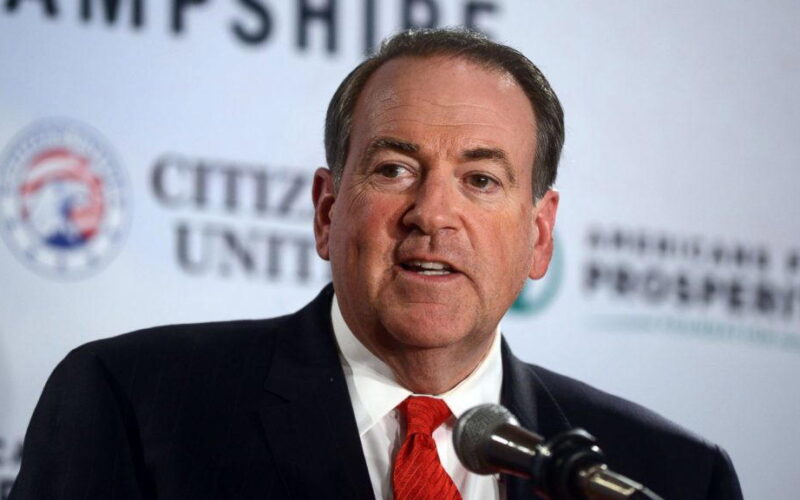
US ambassador to Israel, Mike Huckabee, emphasized the significance of establishing a dedicated facility at the Allenby compound in southern Jerusalem during a signing ceremony at the Israeli foreign ministry. He characterized the move as an acknowledgment of Jerusalem’s historical status.
The 2017 policy shift represented a significant departure from long-standing international consensus, which held that the status of Jerusalem should be settled through direct Israeli-Palestinian negotiations. Most nations have kept their embassies in Tel Aviv due to the competing claims over the city, particularly following Israel’s 1967 occupation of East Jerusalem.
Israeli Foreign Minister Gideon Saar welcomed the agreement as a strengthening of bilateral ties, noting that it builds upon the foundation laid by the original embassy relocation. This diplomatic advancement occurs following a joint military effort by the US and Israel against Iran, despite recent reports of friction between the Trump administration and Prime Minister Benjamin Netanyahu regarding regional war strategies.