



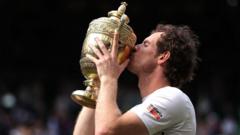
In July 2016, British tennis experienced an unprecedented high at Wimbledon. Amid a period of national sporting success, home-grown talent secured a record five titles at the All England Club. Andy Murray, claiming his second men’s singles crown, stood at the heart of this achievement. Years later, Murray remains a pivotal figure, now guiding young players like Jack Draper at the tournament.
The weekend’s success began with Gordon Reid, who triumphed in the inaugural wheelchair singles final. Alongside doubles partner Alfie Hewett, Reid helped set a celebratory tone that resonated throughout the grounds. Soon after, Jordanne Whiley secured a third consecutive women’s wheelchair doubles title, further highlighting British dominance.
For Murray, the 2016 final was a masterclass in form. Facing Milos Raonic, he delivered a clinical performance to win in straight sets. The victory was emotional for both the player and the crowd, marking a career peak that preceded his rise to world number one later that year. Despite the physical toll of subsequent injuries, Murray’s 2016 triumph remains a defining moment of his professional journey.
The historic weekend concluded with Heather Watson and her partner Henri Kontinen winning the mixed doubles, marking the first time since 1937 that British players claimed two of the major traditional Wimbledon trophies. The celebration extended to the tournament ball, where the winners commemorated their success.
A decade later, the influence of that golden weekend is evident. Participation figures have reached record levels, and British tennis has seen growth in both singles and doubles rankings. The ‘Murray effect’ continues to inspire current generations, as evidenced by the significant number of British entries in this year’s draw and the ongoing investment in grassroots infrastructure.