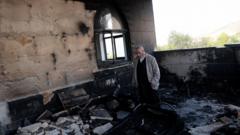




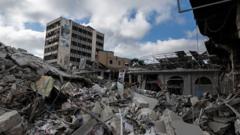
Israel and Lebanon finalized a framework agreement in Washington following several days of mediation by the United States. While specific terms remain undisclosed, the deal represents a diplomatic success for the Trump administration as it manages broader, complicated negotiations with Iran.
US Secretary of State Marco Rubio described the agreement as an initial move toward long-term peace and stability for both nations. Despite this, the situation remains fragile. Hezbollah, which receives significant backing from Iran, was not a signatory to the agreement. It remains uncertain if the militant group will comply with potential requirements to remove its forces from the South Litani region.
The conflict escalated on March 2 when Hezbollah fired rockets into Israel following an Israeli strike that resulted in the death of Iran’s supreme leader. This prompted a large-scale Israeli aerial and ground campaign. Previous attempts to maintain a ceasefire, including a deal brokered in April and an agreement in June to establish security zones, failed to halt the violence.
President Donald Trump has navigated a difficult relationship with Israeli Prime Minister Benjamin Netanyahu throughout the conflict, including public criticism and tense private exchanges. While asserting Israel’s right to defend itself, Trump has maintained that he possesses the influence to restrain Israeli military operations. The durability of this latest framework remains subject to the cooperation of all factions involved in the ongoing regional tensions.