




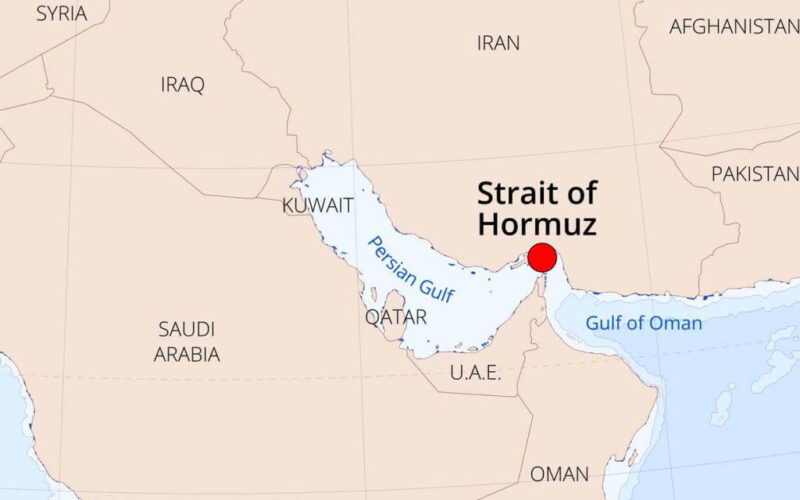
The Strait of Hormuz serves as the planet’s most vital energy transit point, moving roughly 21 million barrels of oil daily—nearly 21 percent of worldwide consumption. Maintaining open passage through this channel between Iran and Oman is not just a strategic concept but a requirement for economic survival. Past events, such as the 2019 tensions that spiked Brent crude prices by 10 percent, prove that even threats of closure destabilize the world economy. Bottlenecks consistently lead to inflated oil prices, higher shipping expenses, and supply chain disruptions.
Because the channel is only 33 kilometers wide, it remains highly susceptible to sabotage or blockades. Experts argue for designating the waterway as a special international zone managed by the UN and the International Maritime Organization. Under this structure, multinational patrols would replace individual nation control, preventing any single entity from using the transit route as geopolitical leverage. Alongside this, nations should continue investing in alternative infrastructure like the Saudi East-West Pipeline or the UAE’s Fujairah terminal to reduce their singular reliance on the strait.
Ultimately, regional players must prioritize diplomacy over the aggressive postures seen during recent conflicts involving the United States, Israel, and Iran. The long-term security of the world economy depends on recognizing the strait as a shared global resource rather than a tool for regional power struggles. Transitioning toward diverse energy sources and fostering cooperation remains the only path to lasting stability.